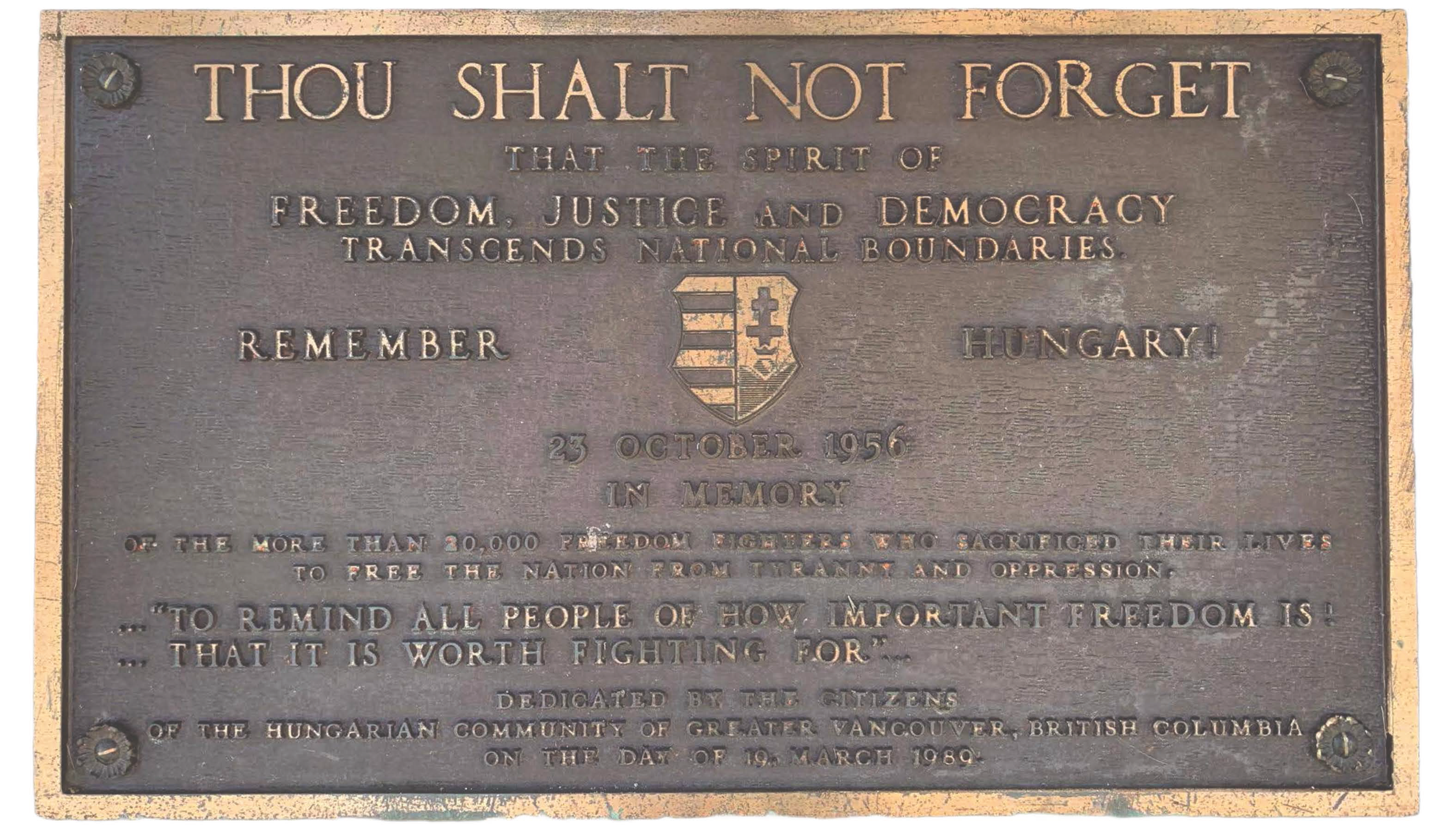
Hungarian Refugees (56’ers)
In 1957, the Barracks (our building) housed ‘Hungarian refugees’ fleeing the uprising in Hungary to overthrow their communist government.
The spartan barracks had been intended for accommodating military personnel, not for welcoming refugees.
The Hungarian Revolution of 1956
The Hungarian Revolution of 1956 was a nationwide uprising against the Soviet-controlled government of the Hungarian People’s Republic. It lasted from 23 October to 10 November 1956 and became the first major challenge to Soviet authority in Eastern Europe after World War II.
The revolt began on 23 October, when a peaceful student demonstration in Budapest grew into a massive march to the Parliament building. A group of students tried to broadcast their demands from the state radio station, but they were detained by the State Security Police (ÁVH). When protesters outside called for their release, ÁVH forces opened fire on the crowd, killing a student. This event ignited the revolution.
Violence quickly spread across the country. The government collapsed, political prisoners were freed and thousands of citizens formed militias to fight both the ÁVH and Soviet troops. Workers’ councils took control in many areas, demanding democratic reforms. A new Hungarian government soon dissolved the ÁVH, promised free elections and announced its intention to withdraw from the Warsaw Pact.
By late October, fighting had nearly ceased and daily life began to stabilize. However, the Soviet leadership reversed its earlier willingness to negotiate and prepared to retake the country by force.
On November 4, Soviet troops launched a massive assault on Budapest and other regions. Hungarian resistance continued for days but was ultimately crushed on November 10.
The conflict resulted in the deaths of more than 2,500 Hungarians and about 700 Soviet soldiers. Approximately 200,000 Hungarians fled the country as refugees. In the months that followed, the new Soviet-backed government carried out arrests, executions and broad repression to eliminate opposition
-
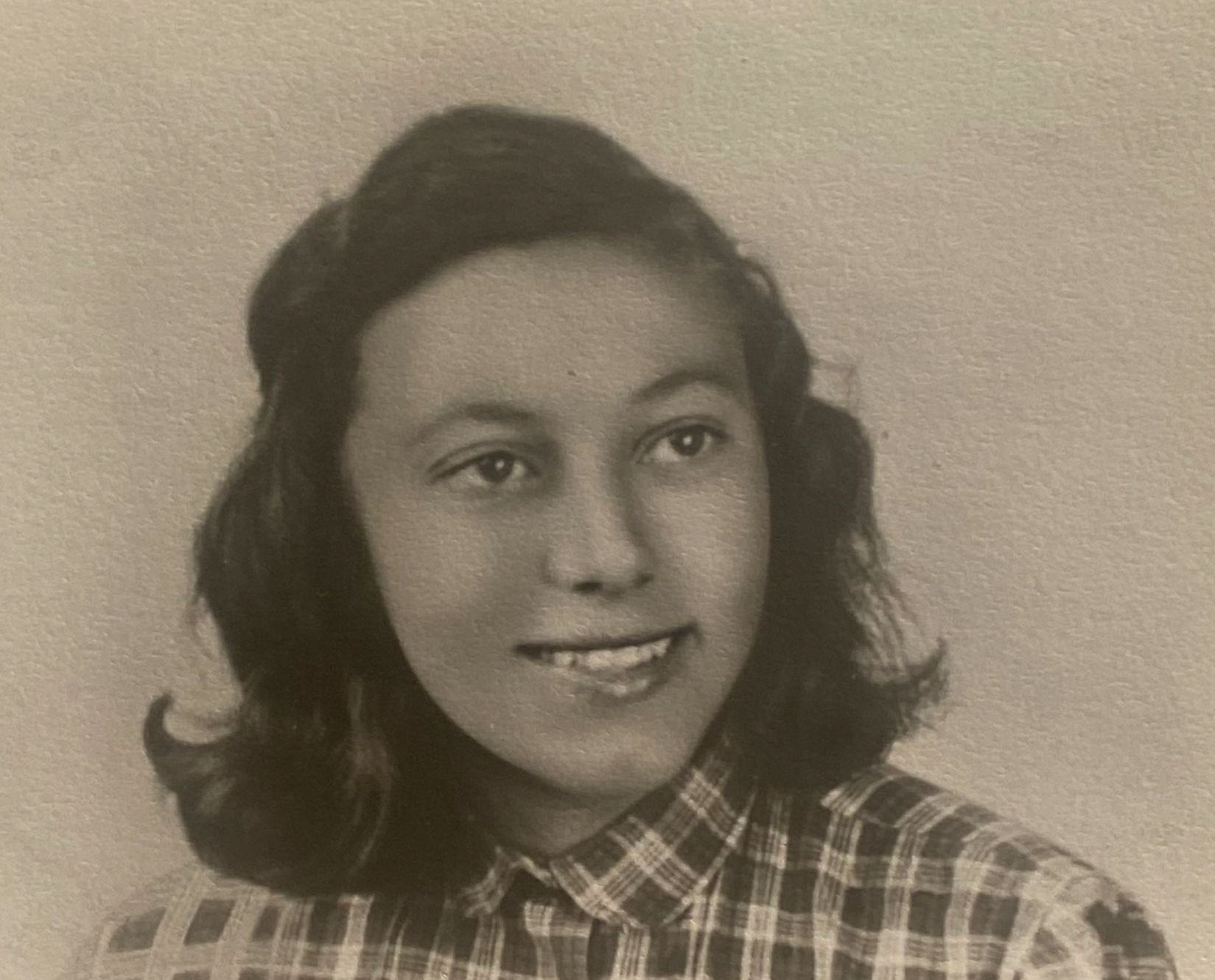
Emilia SZORNYI
Was one of those refugees who resided in this building when it was at the Abbotsford Airport. Photograph taken in 1957
-
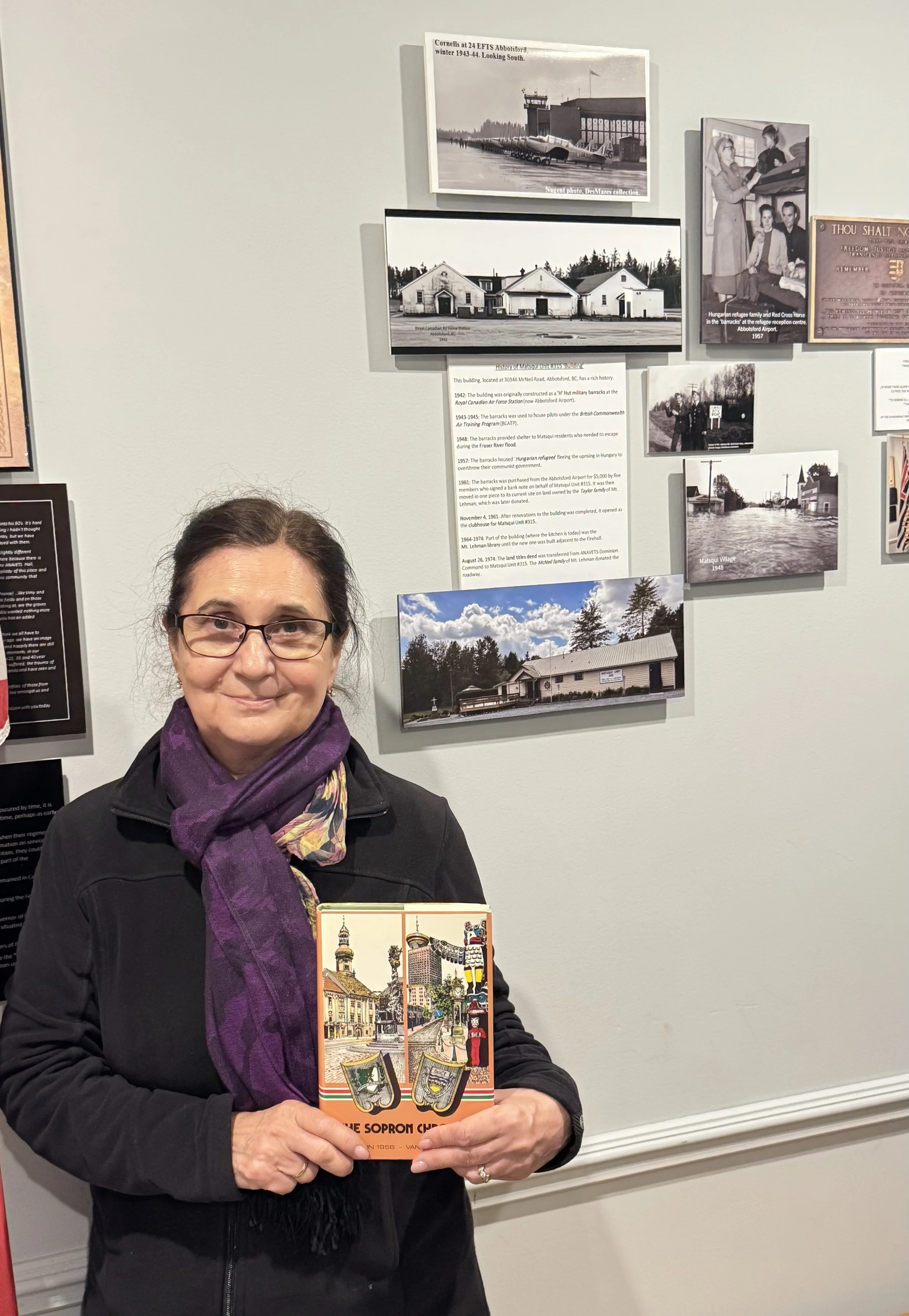
Maria PALASIK
Maria is a Hungarian historian who has been studying the Sopron Univeristy group who came to Canada from Hungary in 1957. Members of this group stayed in our building. who later formed the Forestry Department at UBC.