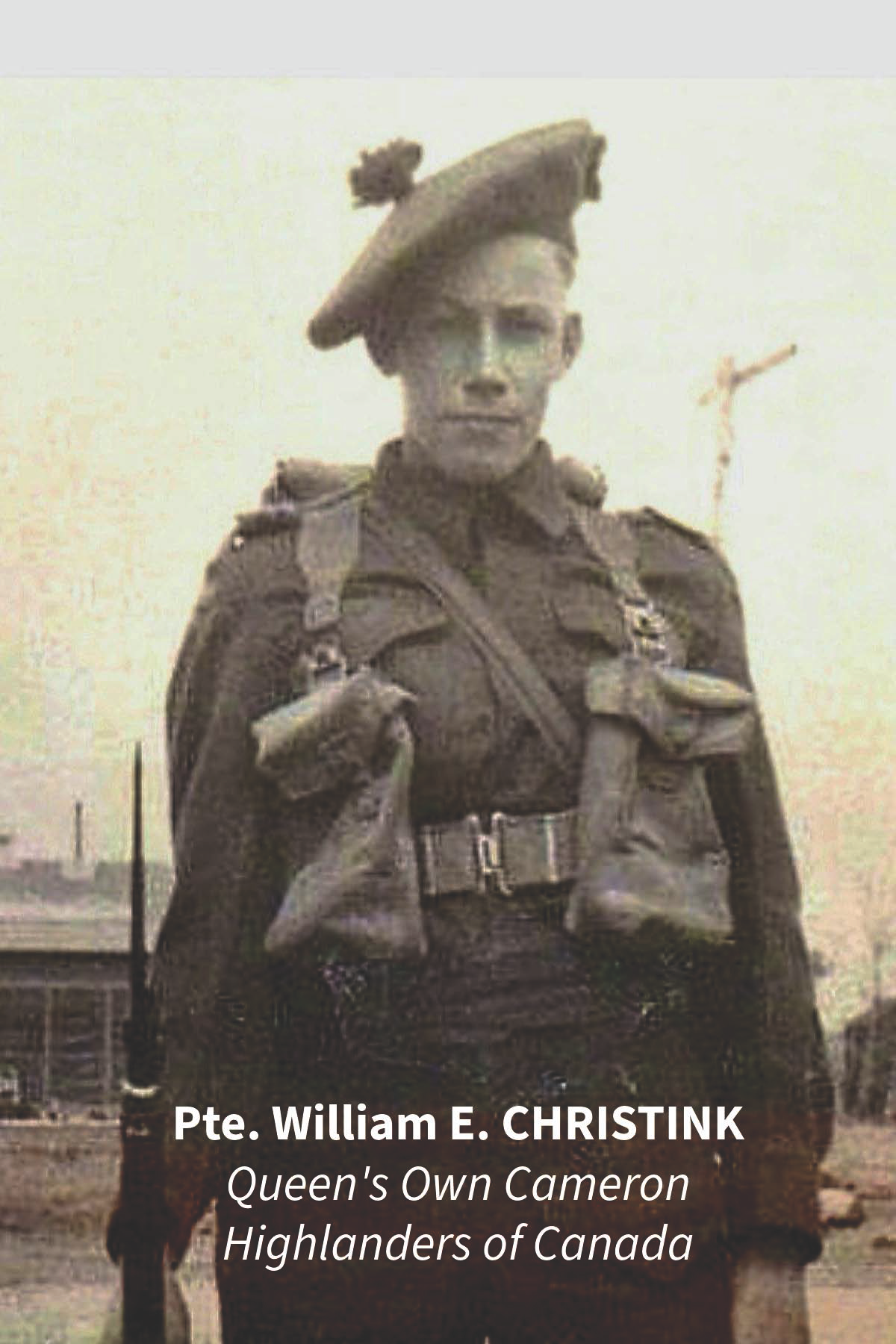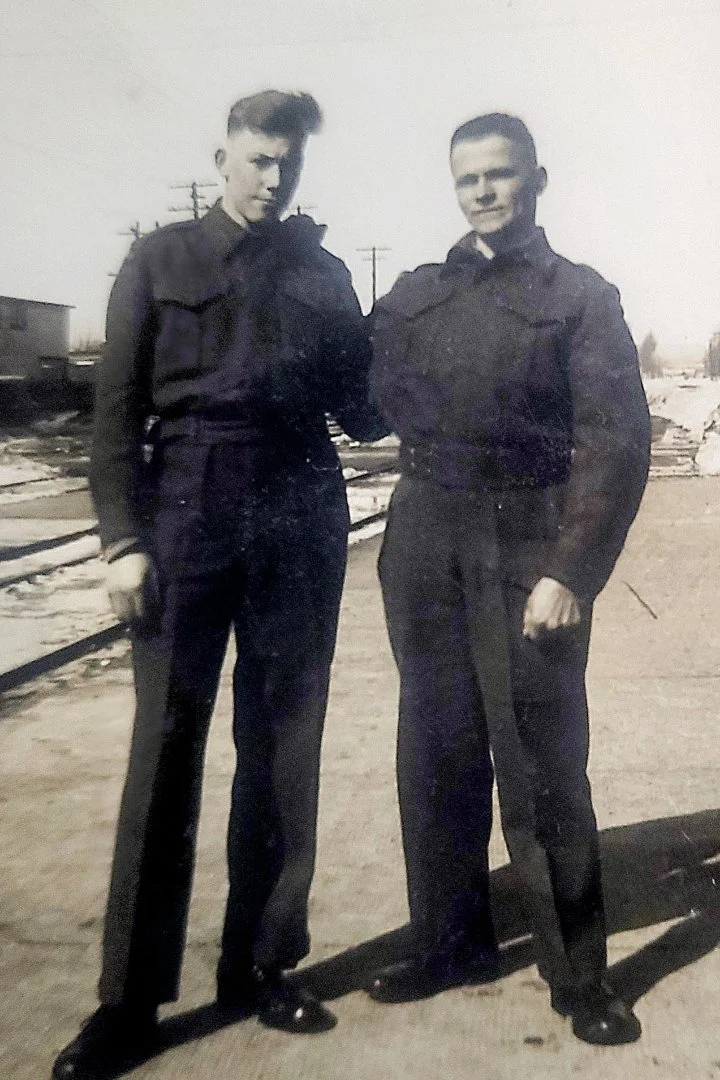
Private Frederick CHRISTINK
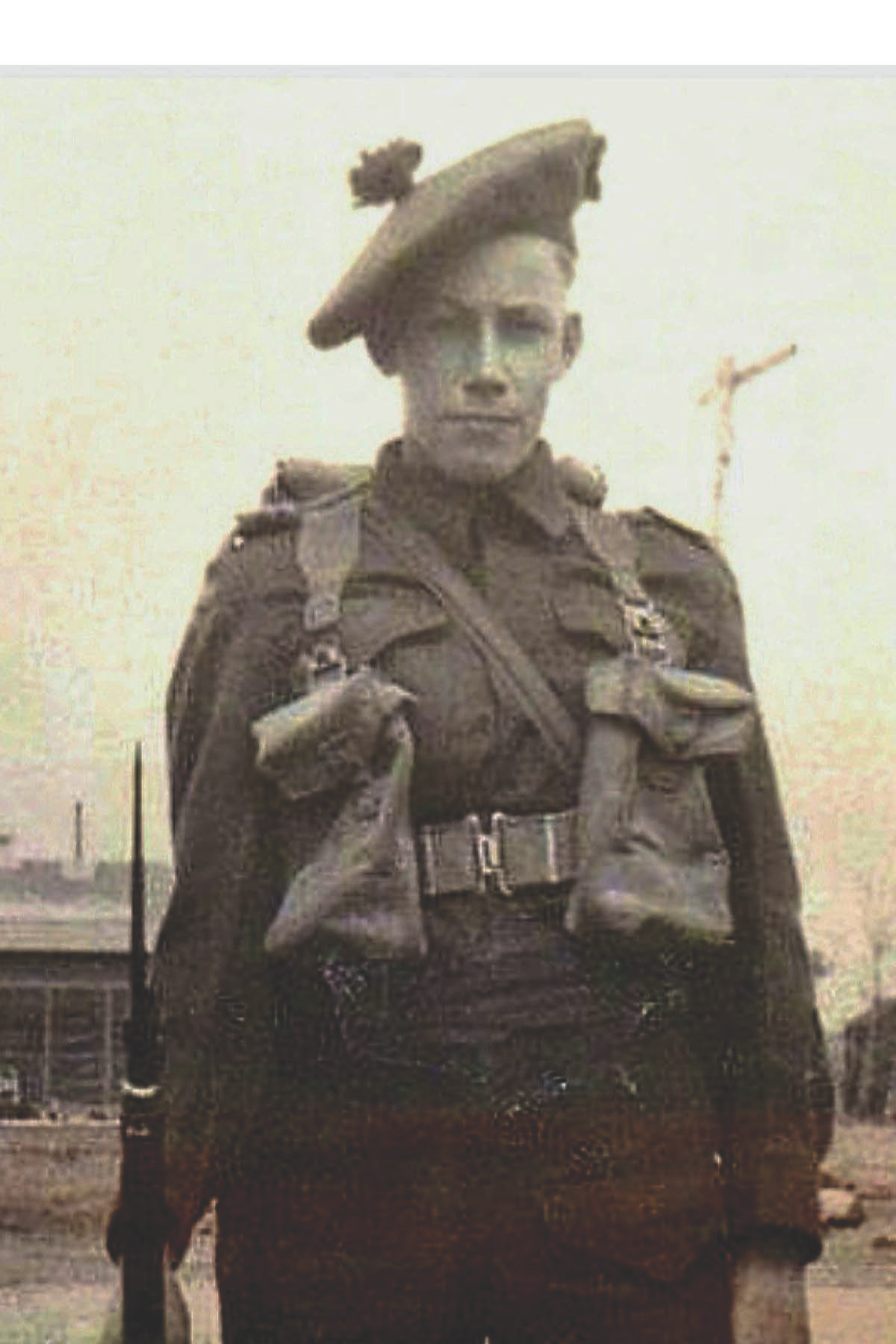
Royal Cameron Highlanders of Canada Regiment
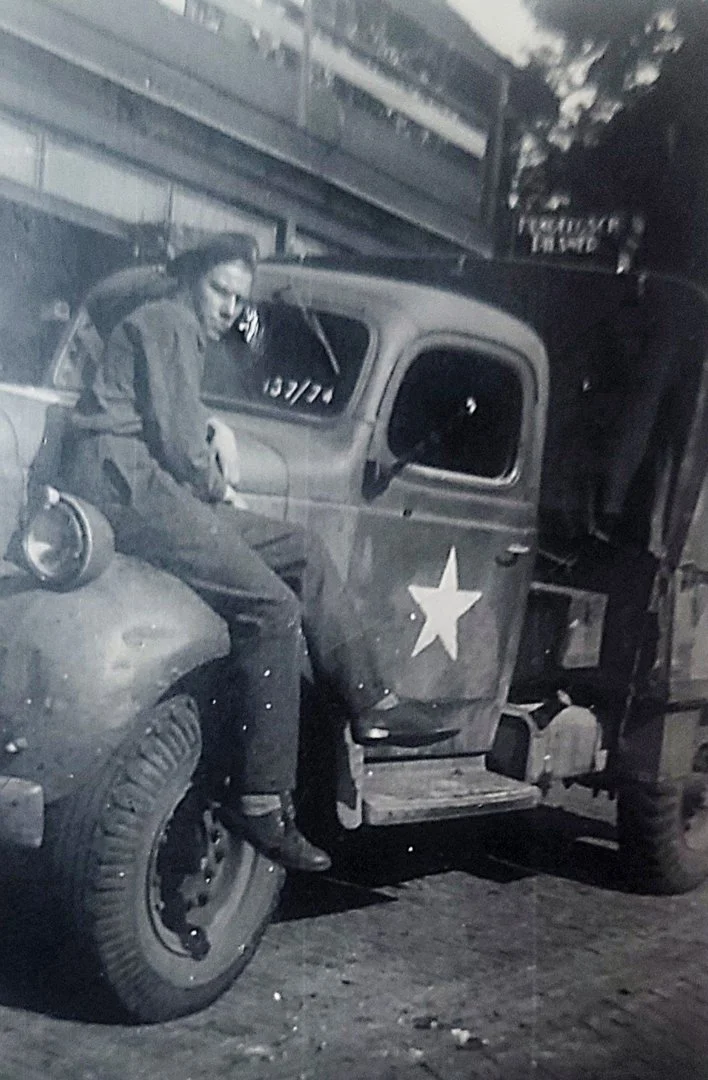
Royal Canadian Army Service Corps
Frederick “Bill” Earl CHRISTINK was born on March 23, 1925, in a log cabin near Sioux Lookout, Ontario. He was the father of Matsqui Unit #315 member Cpl. Don CHRISTINK, Royal Canadian Artillery.
Before the Second World War, Bill worked in the logging industry, where he gained experience driving heavy trucks.
In about 1941, Bill enlisted with the Royal Cameron Highlanders of Canada Regiment. His experience as a heavy truck driver in the logging industry later led to his transfer to the Royal Canadian Army Service Corps (RCASC).
Operation Market Garden
In September 1944, Bill took part in the liberation of Holland, ‘Operation Market Garden’, one of the largest Allied airborne and ground operations of the Second World War. The operation was portrayed in the 1977 movie, ‘A Bridge Too Far’.
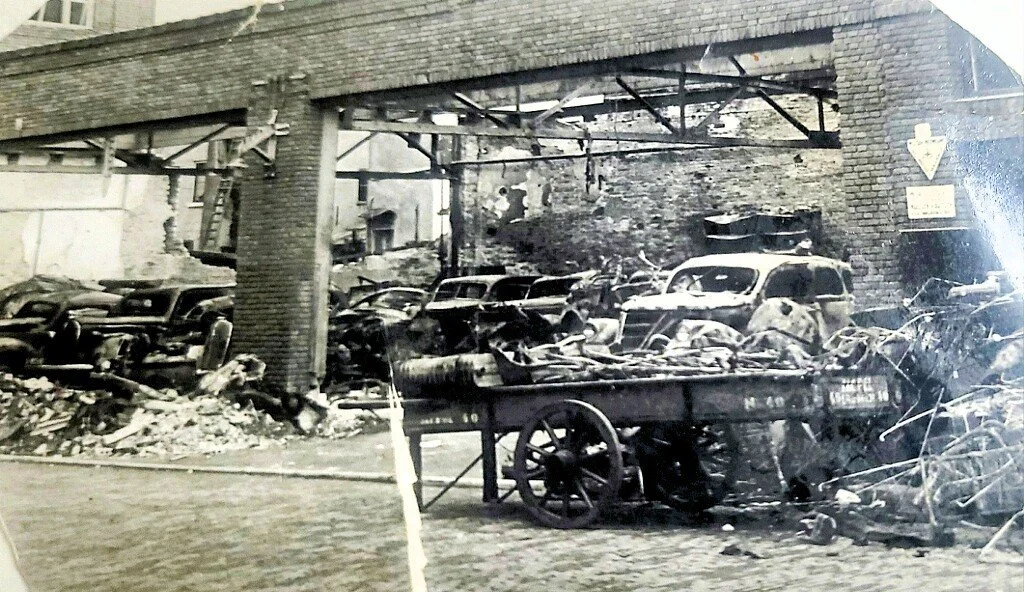
During the fighting around Arnhem, Allied forces faced major obstacles caused by the Germans who destroyed numerous waterways and bridges. Specialized equipment was urgently needed to get troops and supplies across the rivers.
As a truck driver with the RCASC, Bill played an important role in keeping the advancing Allied forces supplied. His duties included transporting ammunition, fuel, engineering equipment and other essential supplies toward the front.
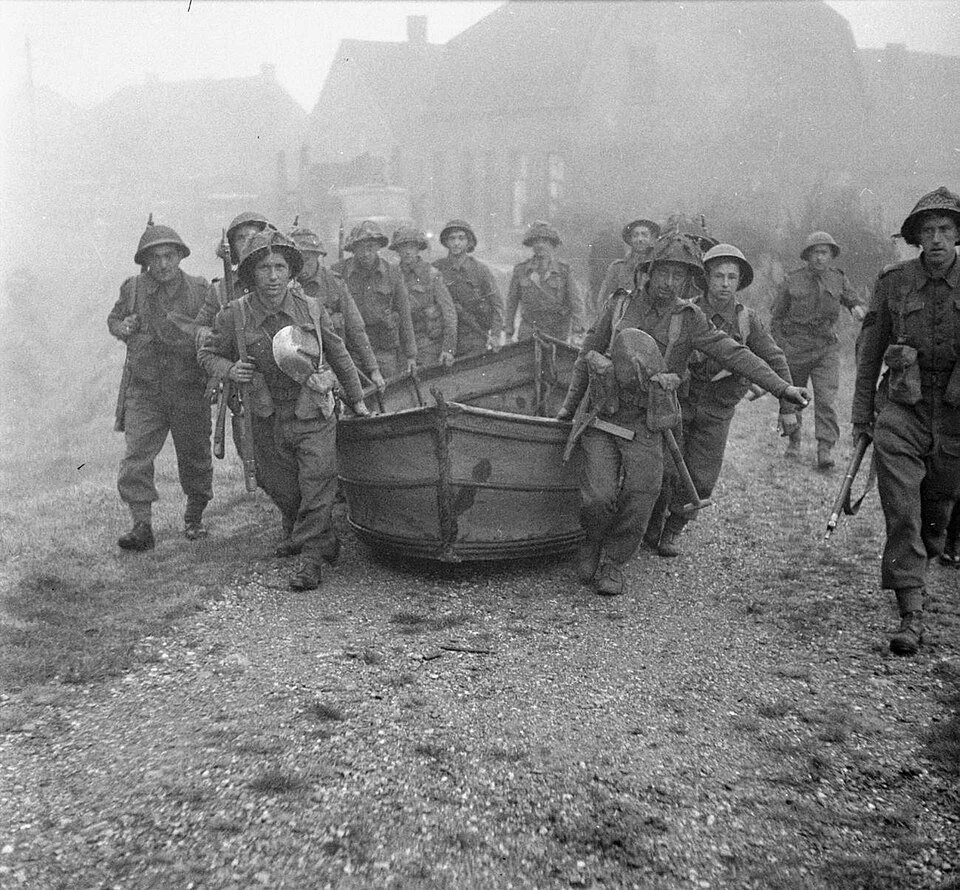
Bill was driving the lead truck in a convoy transporting Goatley boats (British collapsible assault boats designed for rapidly crossing waterways). The boats consisted of a wooden floor with heavy canvas sides and could be assembled and put into service quickly.
In the movie, ‘A Bridge Too Far’, the importance of these boats was sequenced showing Allied troops attempting to cross the Rhine at Arnhem under enemy fire.
While transporting the boats, Bill's truck struck a landmine. The explosion wounded Bill. Fortunately, the boats he was carrying absorbed much of the blast, which helped protect him from more serious injuries.
Bill was transported to a field hospital, where he was treated for burns and shrapnel wounds. A piece of shrapnel remained lodged near his spine for the rest of his life.
While recovering in hospital, Bill learned that an American officer needed someone to drive him in a jeep back to his unit. Bill volunteered.
During the journey, the jeep struck a landmine. Bill and the American officer were thrown into a ditch. When Bill regained consciousness, he assessed his own injuries and administered first aid to himself. The American officer had sustained life-threatening injuries. Despite being wounded himself, Bill carried the officer to a first-aid station, where the officer received medical treatment. He survived.
A Lifelong Thank You
After the war, the American officer searched for Bill. The two men eventually found each other, giving the officer an opportunity to personally thank Bill for saving his life. Their wartime experience became a lifelong connection.
Every Christmas, the American officer sent Bill $20 with a simple purpose, to buy himself a drink as a thank-you for saving his life. Bill received a $20 bill every Christmas until the officer's death.
Frederick “Bill” Earl CHRISTINK died on April 16, 2012. He is buried in Melville, Saskatchewan.