Masagro KATO
Internment of Japanese Canadians:
The KATO family
1942 - 1949
Internment of Japanese Canadians
(War Measures Act of 1914)
On December 7, 1941, Japan bombed Pearl Harbour in a surprise attack and Canada declared war on Japan. This prompted a fearful backlash against innocent people of Japanese descent in Canada.
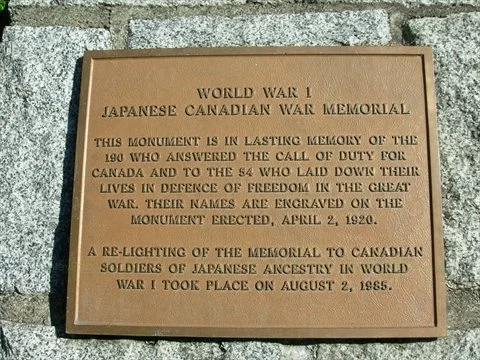
In WW1, at least 222 Japanese Canadians fought for Canada. They served in major battles like the Somme and Vimy Ridge. At least 91 were wounded and 54 were killed in combat. Many received gallantry awards. They fought not only for their country, but also for equal rights.
In 1931, WW1 Japanese veterans lobbied the federal government for equal rights and were partially successful. They obtained their right to vote, but all other Japanese Canadians were still denied this right.
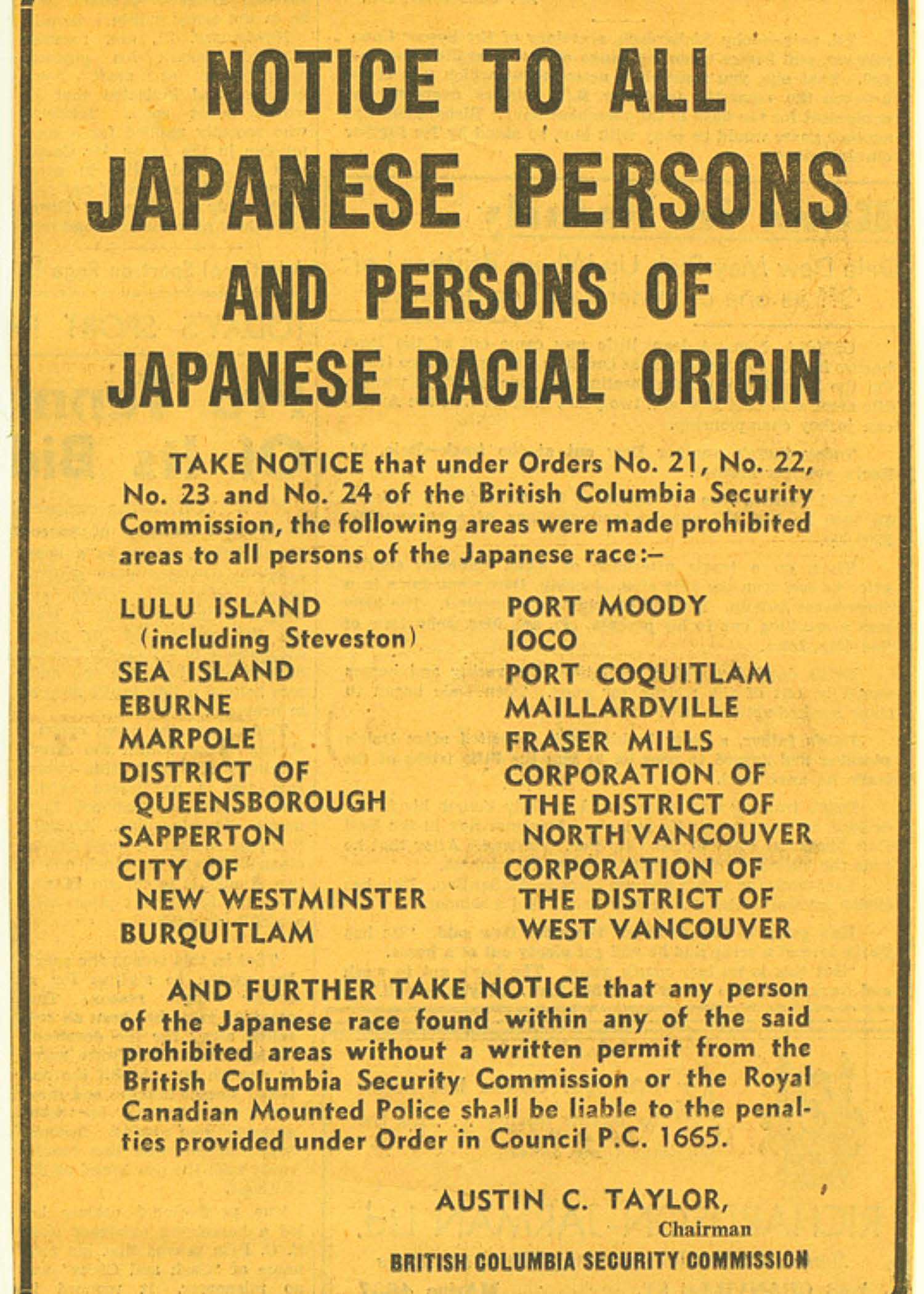
In 1941, under the War Measures Act of 1914, the government interned 22,000 Japanese Canadians considered “enemy aliens”. Japanese Canadian veterans of WW1 were also categorized as “enemy aliens”. This began the largest mass exodus of citizens in Canadian history.
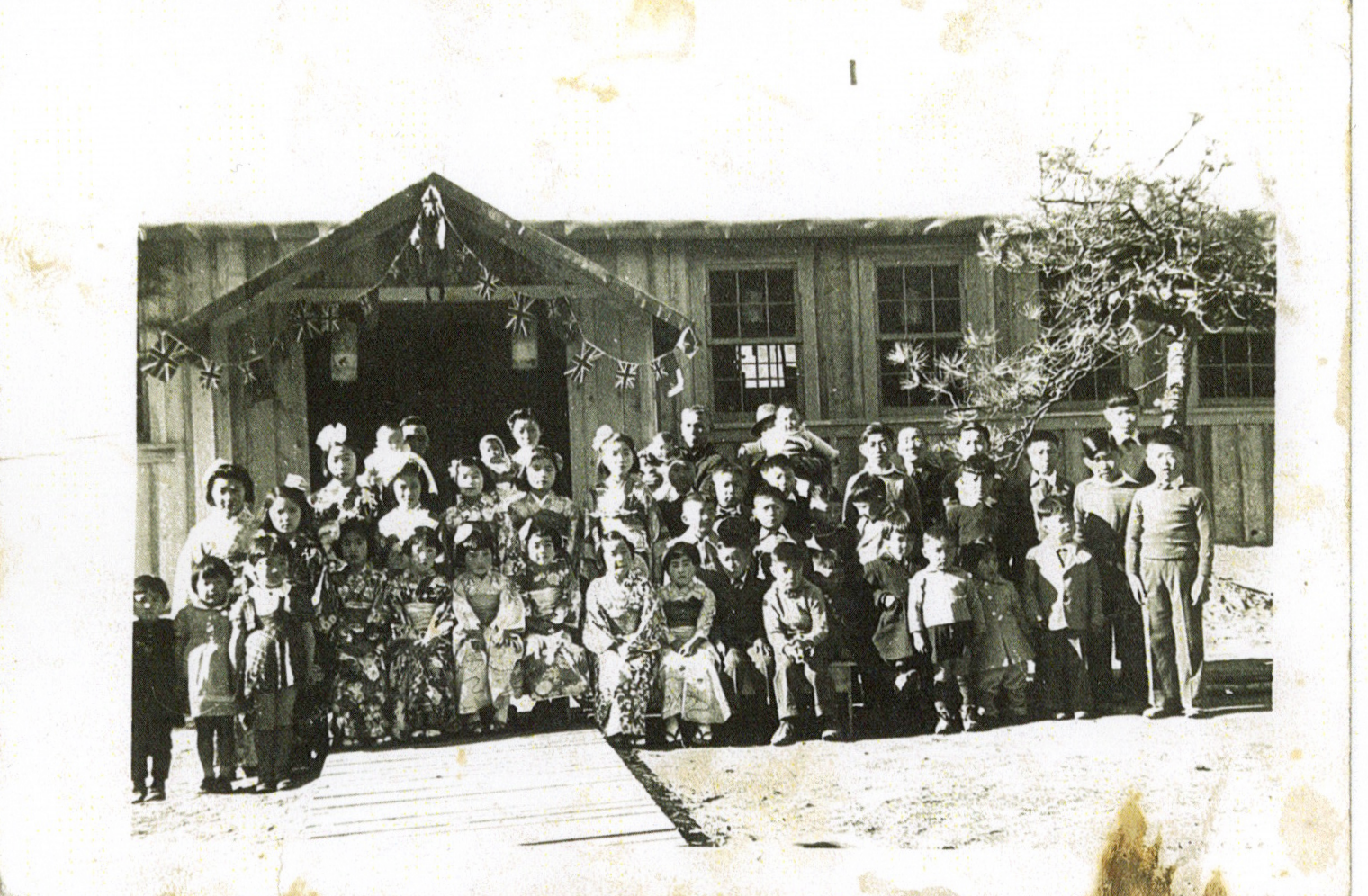
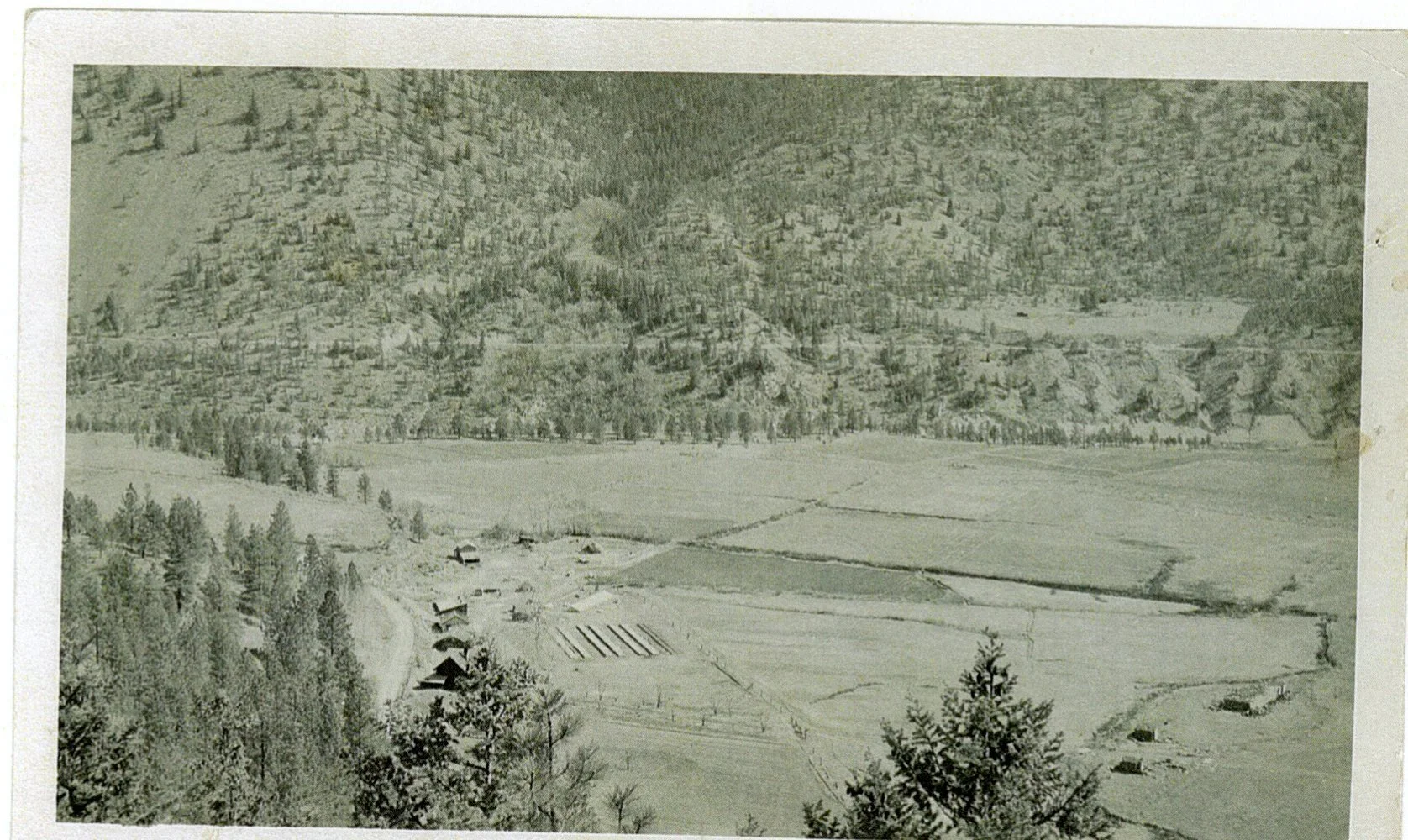
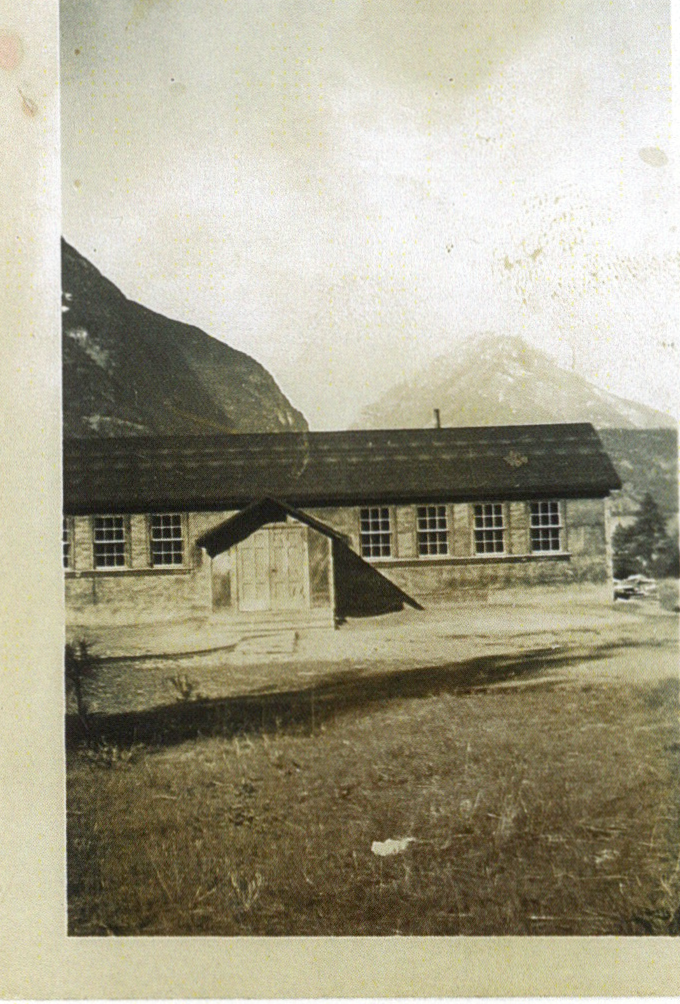
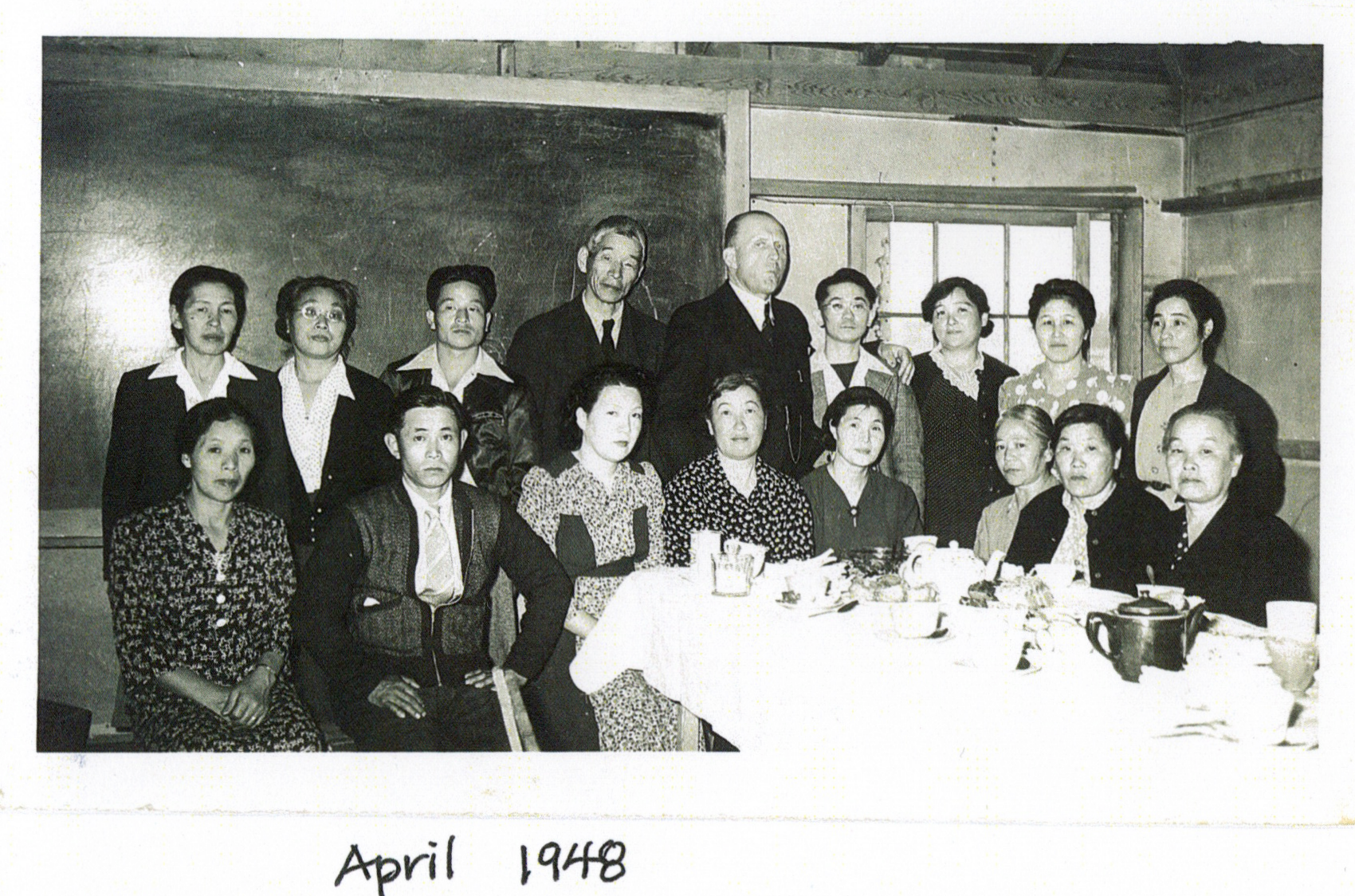
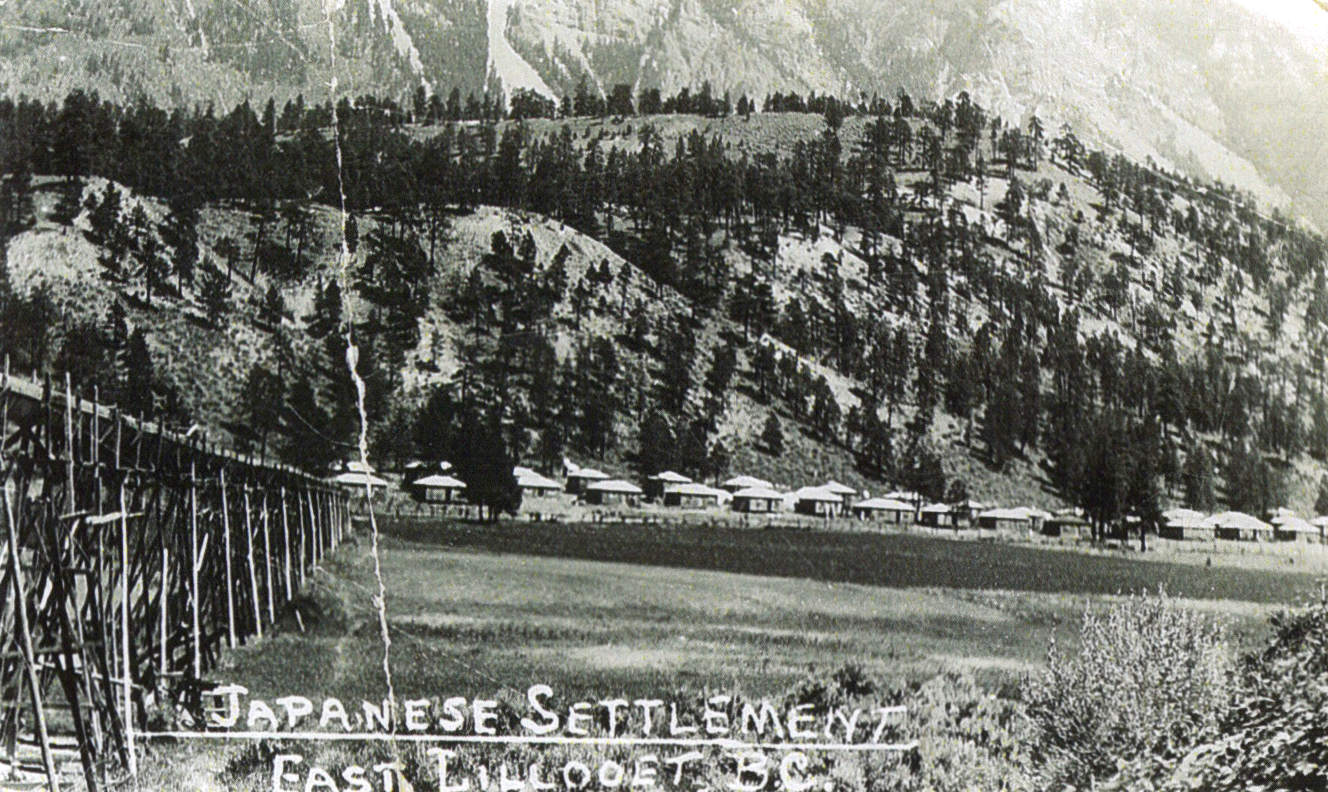
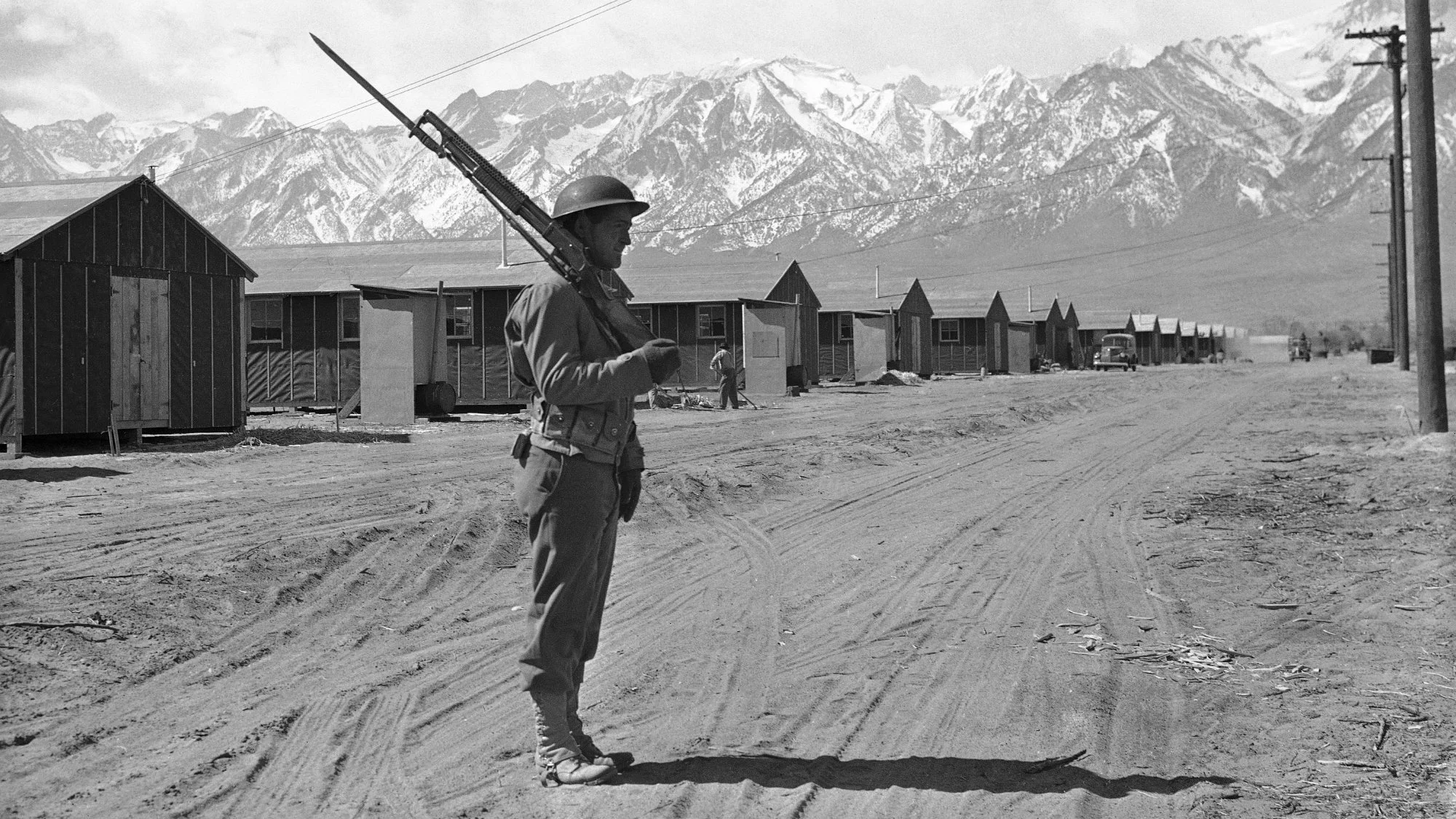
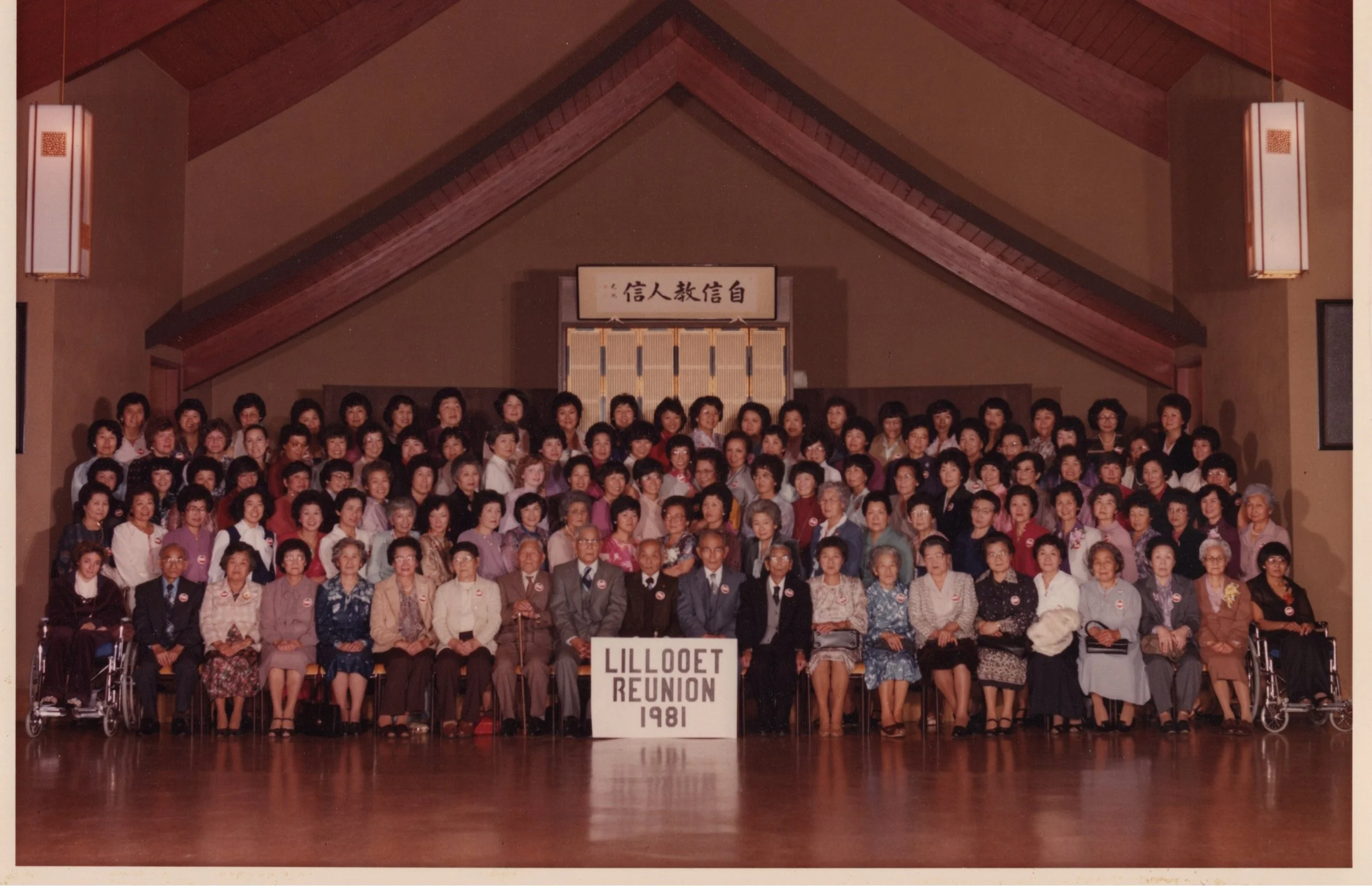
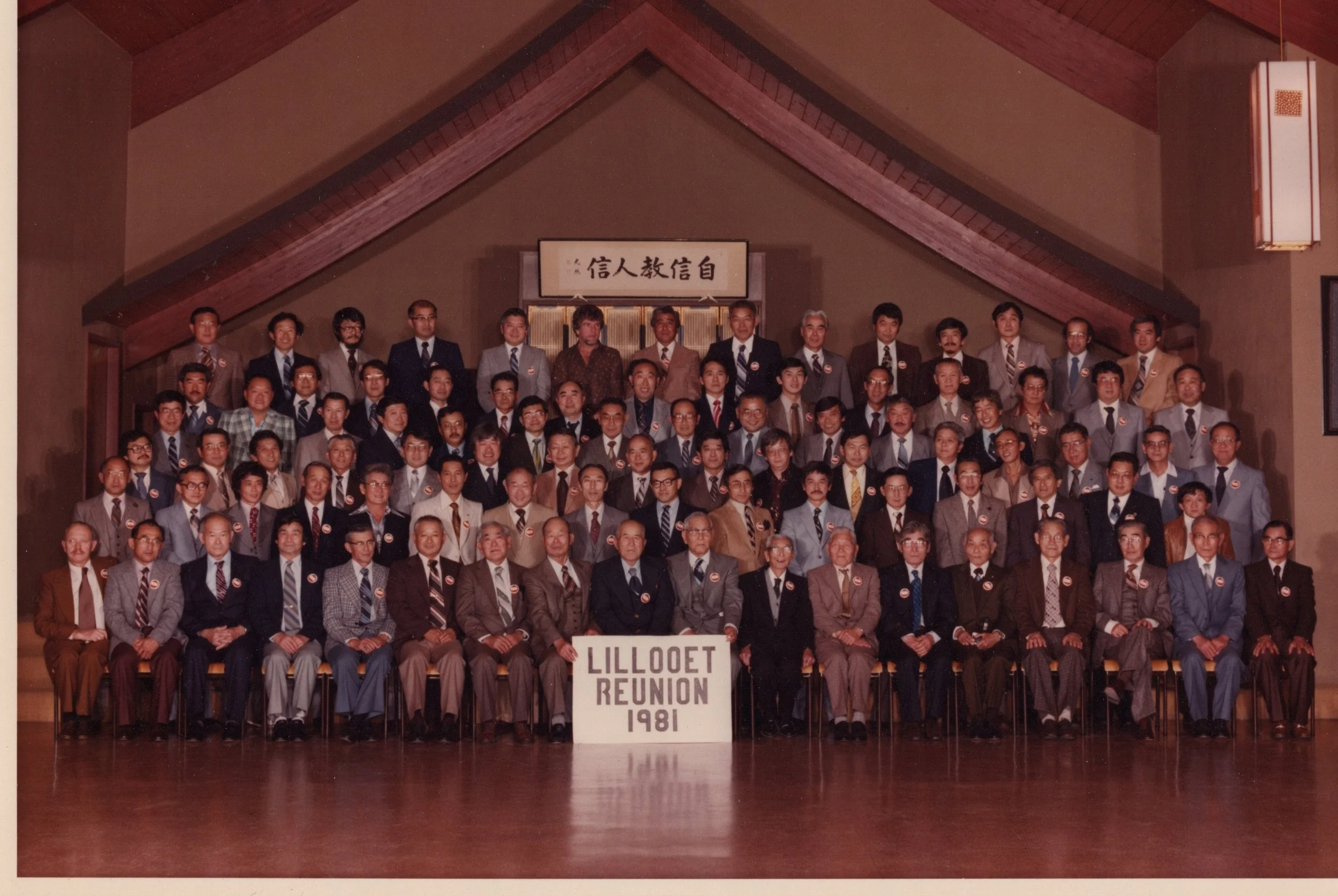
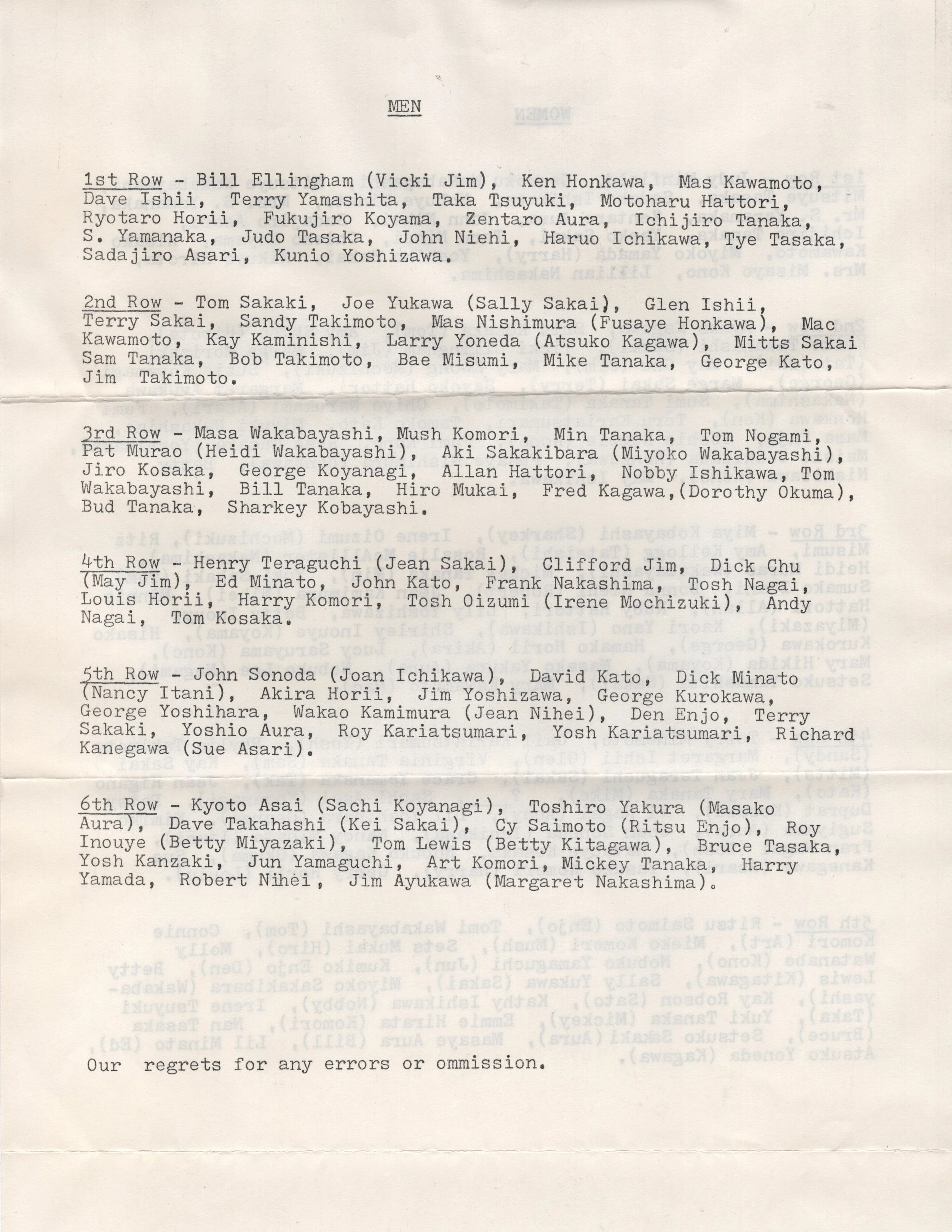
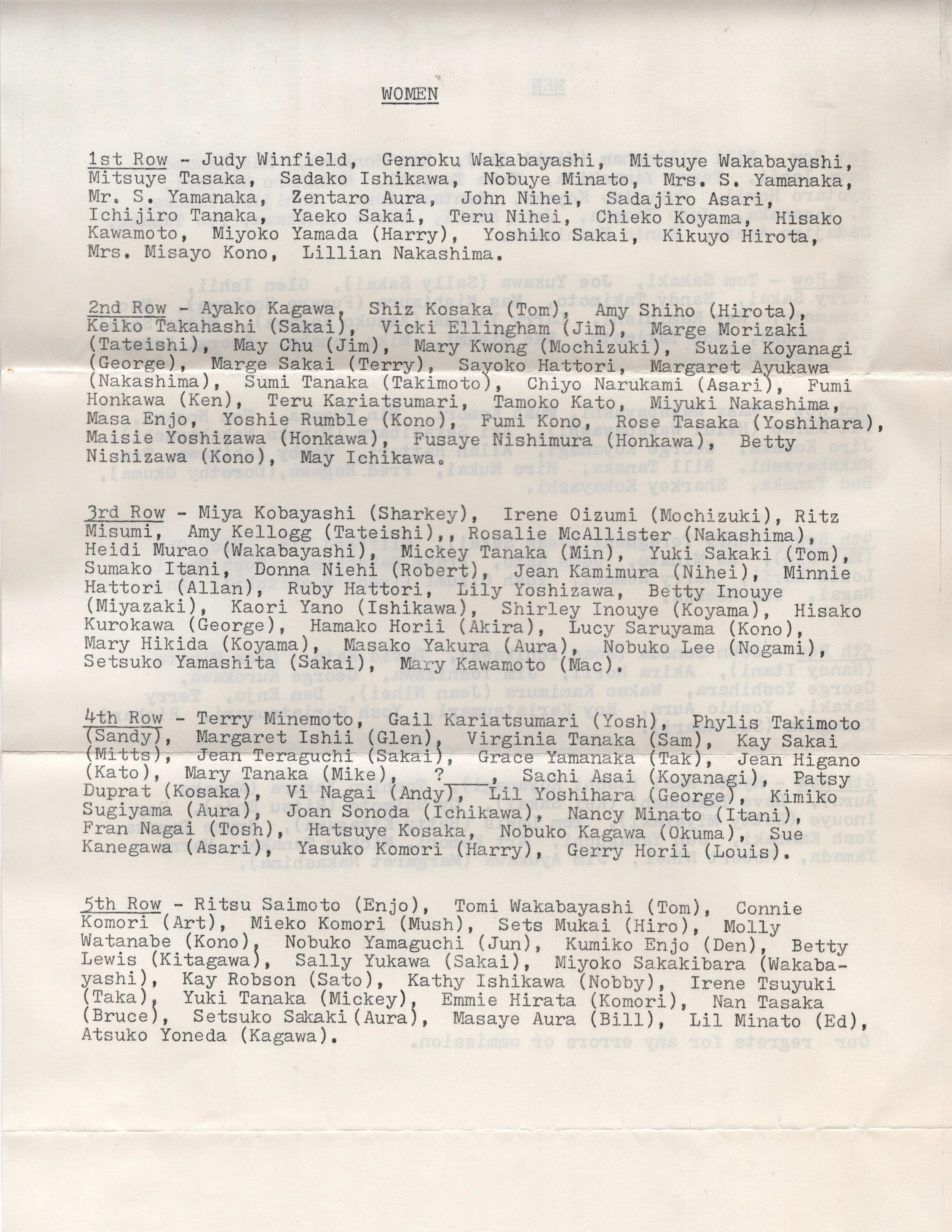
Families were uprooted from their homes, stripped of their belongings, and forced into internment camps, enduring harsh conditions and loss of freedom. Matsqui Unit #315 member, John KATO’s family were deemed “enemy aliens” and incarcerated in the “East-Lillooet Internment Camp” from 1942 to 1949.
Despite facing such adversity, many Japanese Canadians demonstrated resilience and patriotism by enlisting in the Canadian military during WW2.
In 1946, after the war ended, the Canadian government forced the deportation of 3,964 Japanese Canadians to a ruined Japan, which compounded the misery of an innocent Canadian population.
In 1949, Japanese Canadians acquired the same rights as other Canadian citizens and the internment ended.
Sources:Carolyn Nakagawa and Linda Kawamoto Reid, Nikkei National Museum.
Kordan, Bohdan S. "First World War Internment in Canada: Enemy Aliens and the Blurring of the Military/Civilian Distinction." Canadian Military History 29, 2 (2020)
Life in the East-Lillooet Japanese Internment Camp
(The John KATO Family)
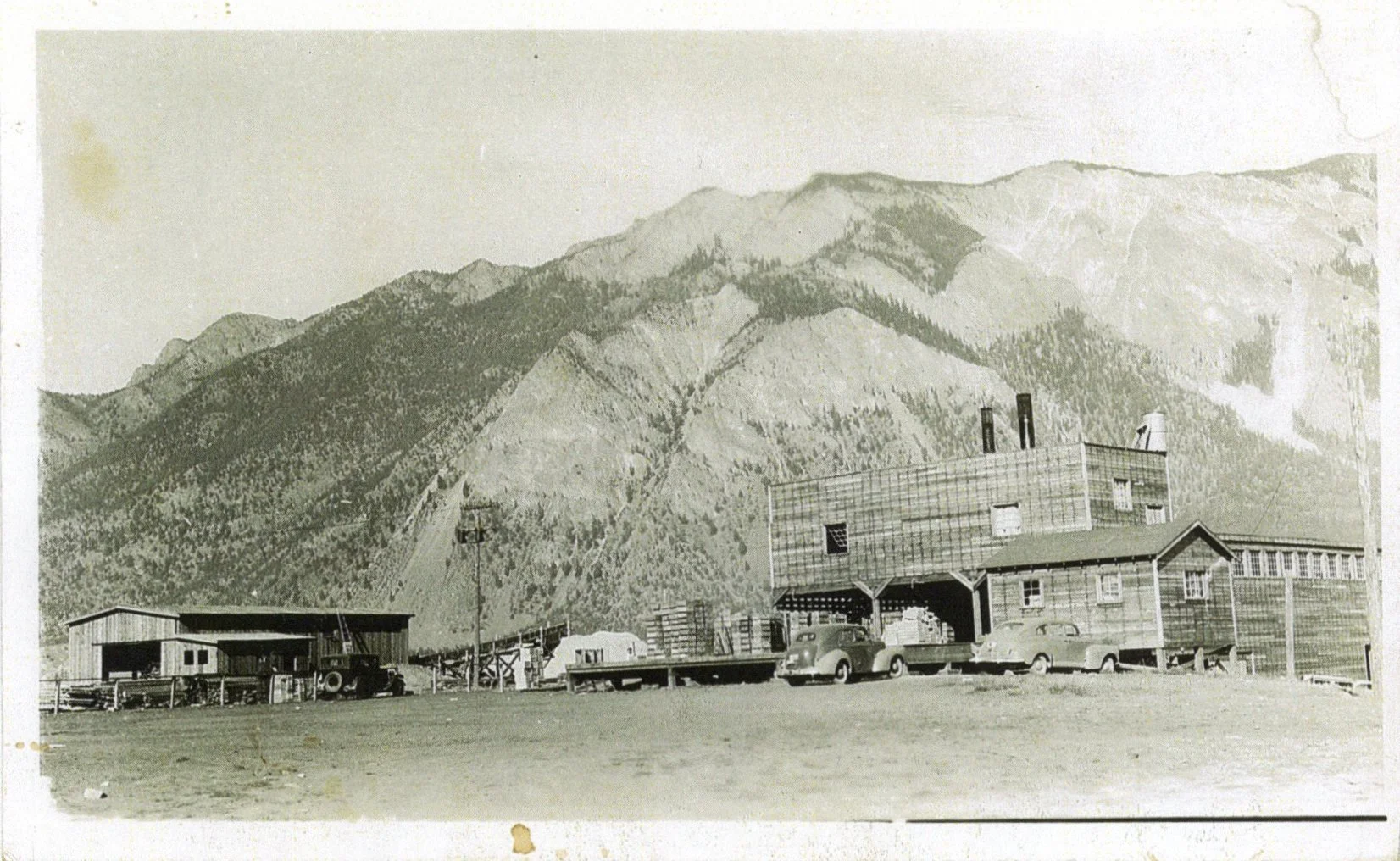
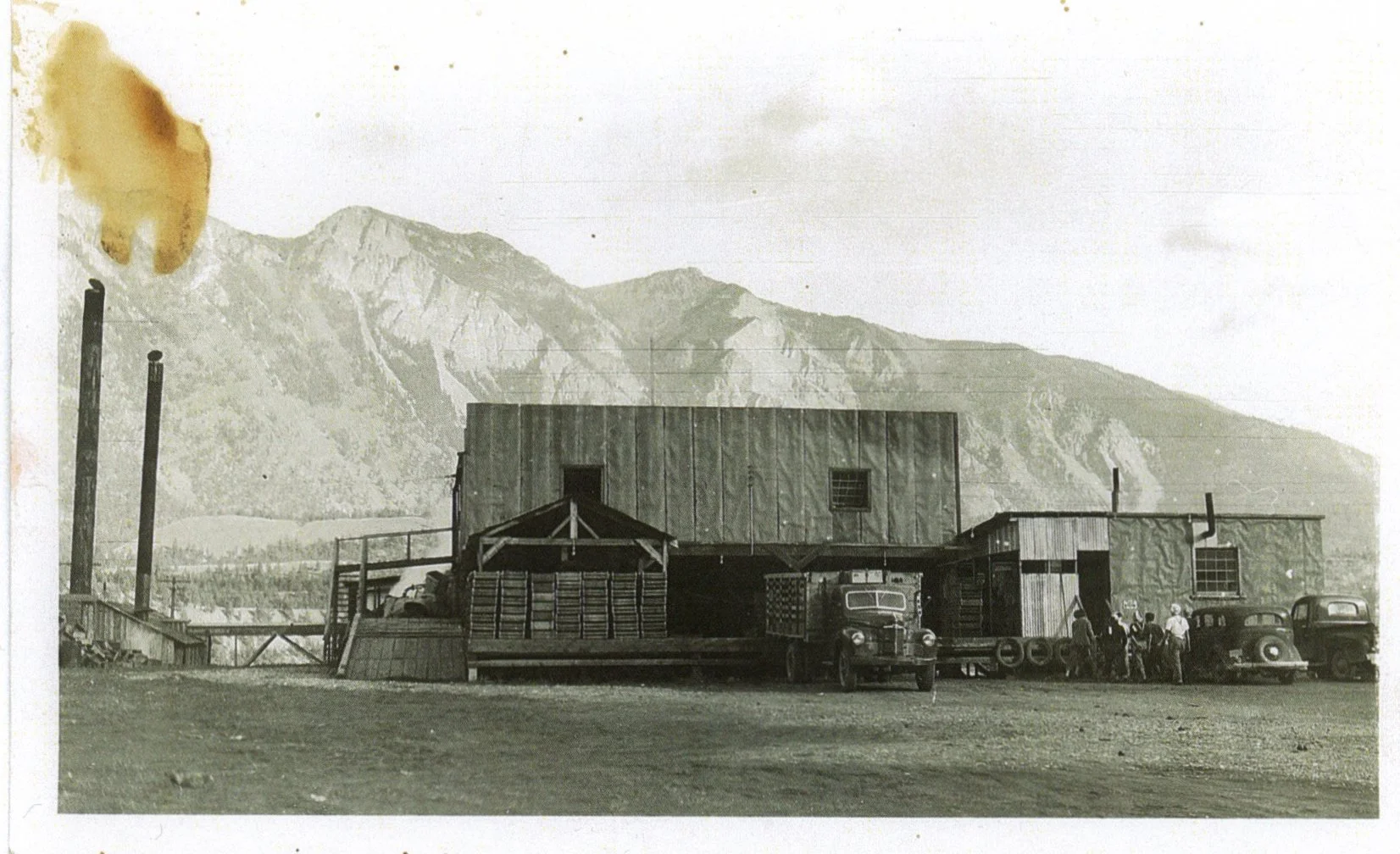
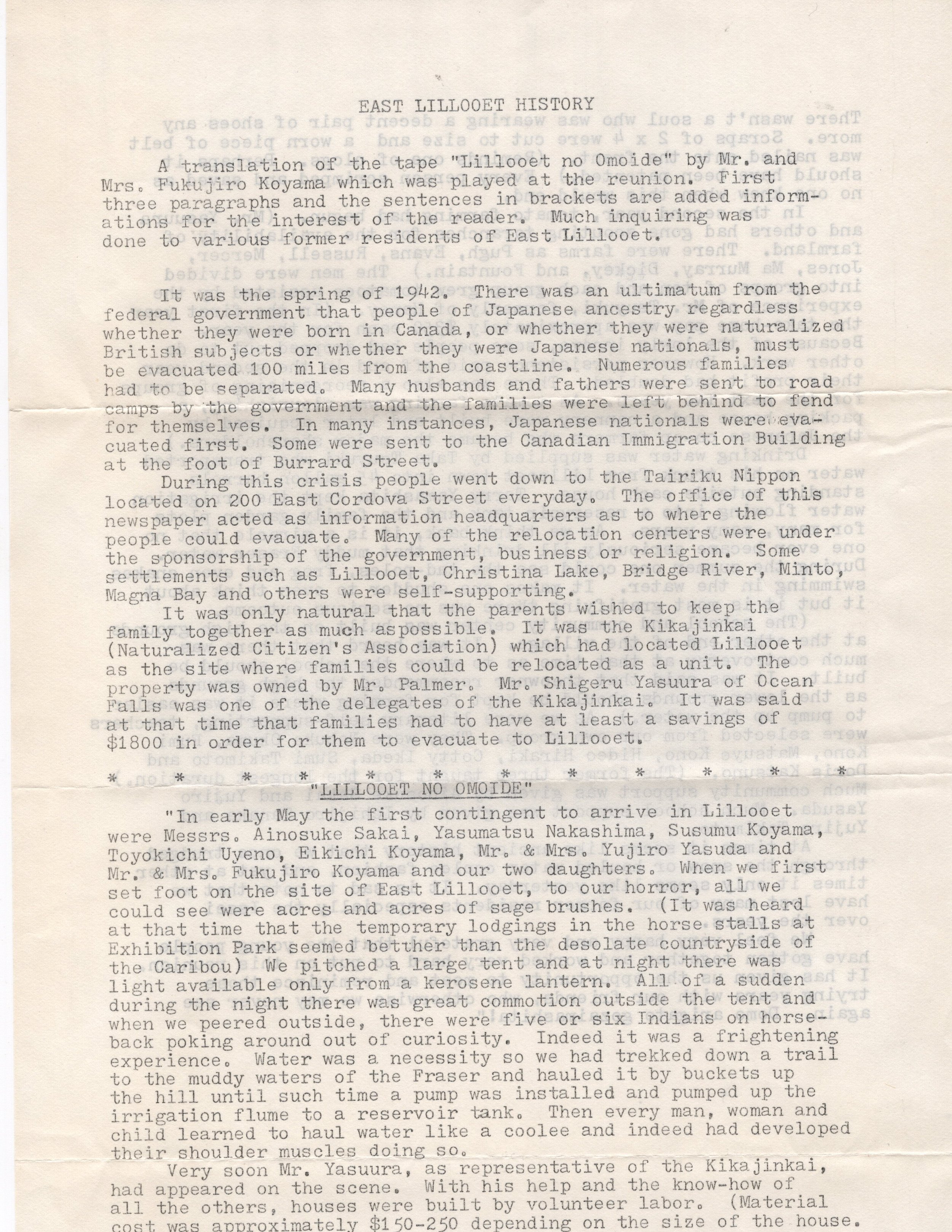
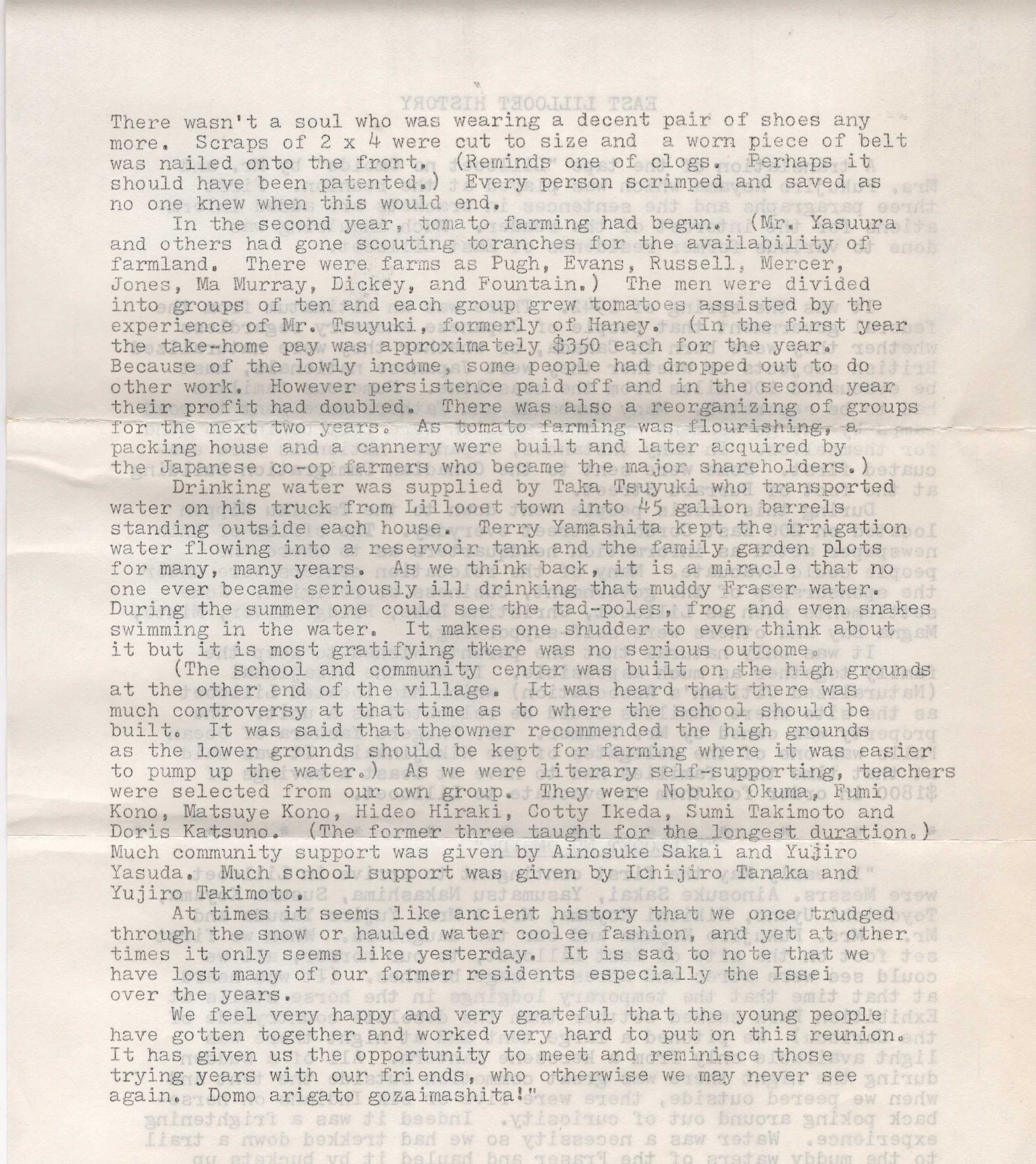
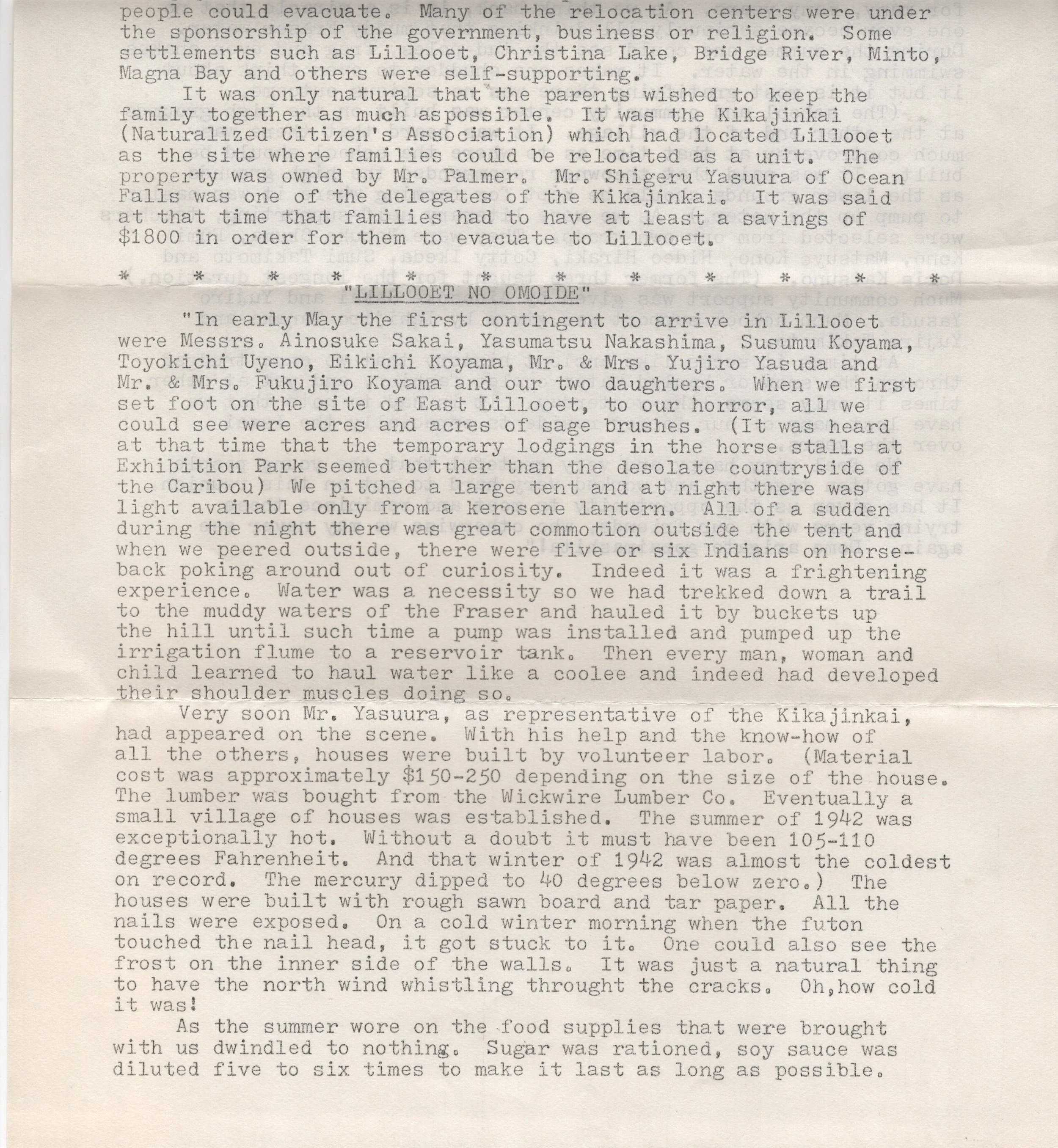
In April of 1942, the first internees in the ‘East-Lillooet Internment Camp’ constructed sixty-two tarpaper shacks to house over 300 people. Their former homes, possessions and properties were auctioned off by the Canadian government to pay for their internment.
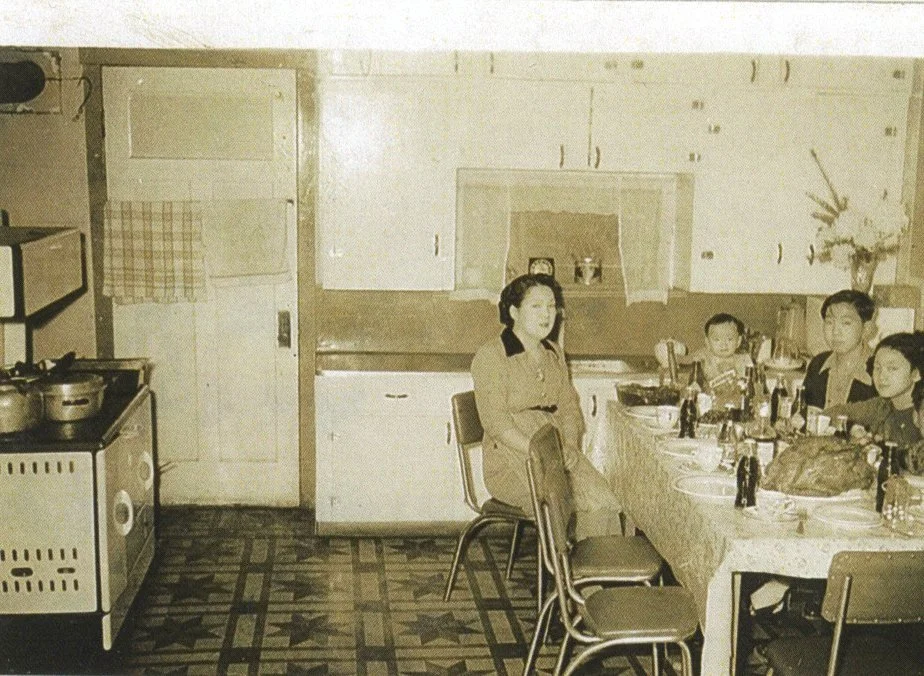
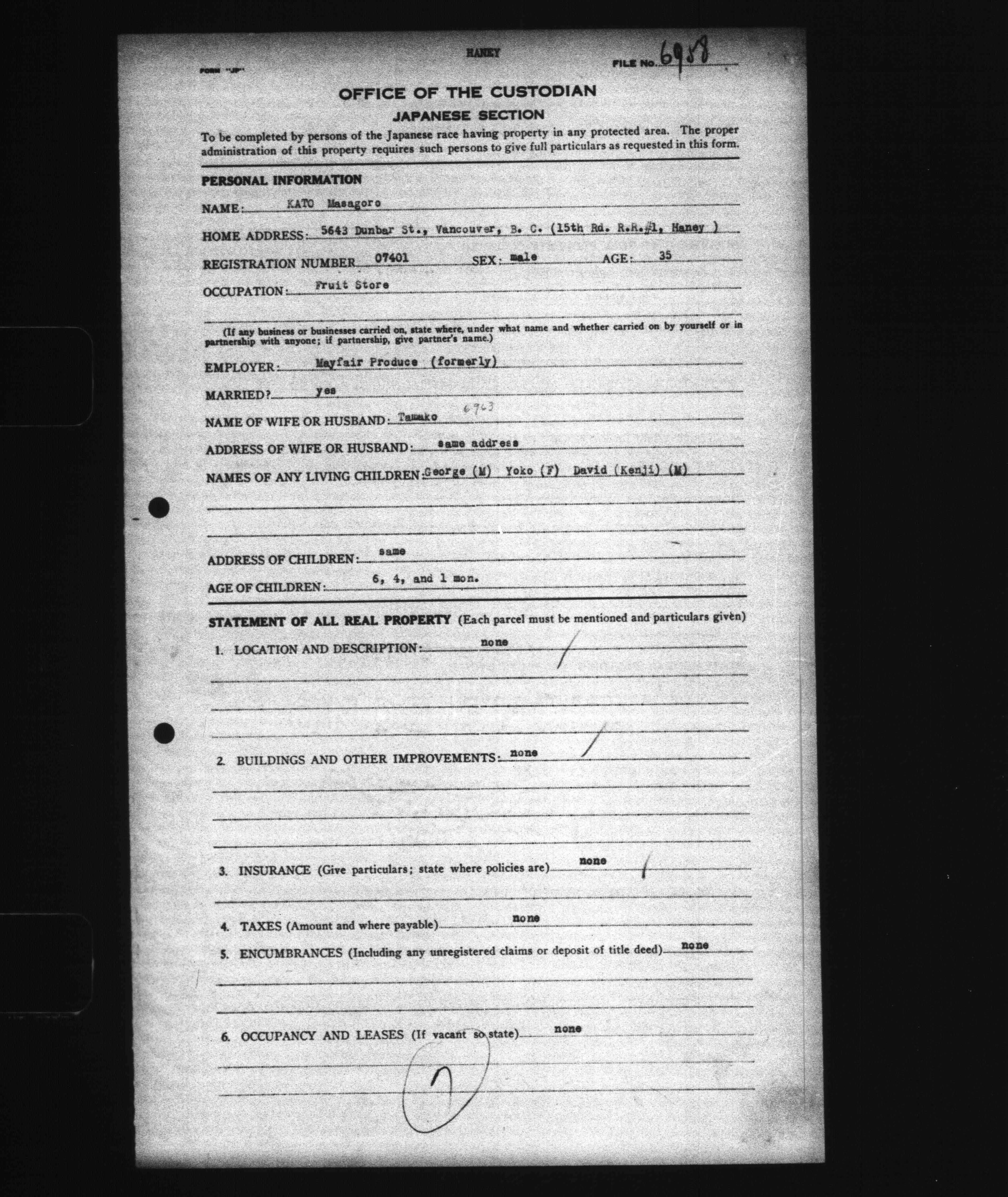
On May 18, 1942, John KATO’s (Matsqui Unit #315 member) parents, Masagro and Tamako KATO, with their children (aged 6, 4 and 1 month) were “evacuated” to the ‘East-Lillooet Internment Camp’. “Evacuated” was the term used on the RCMP form.
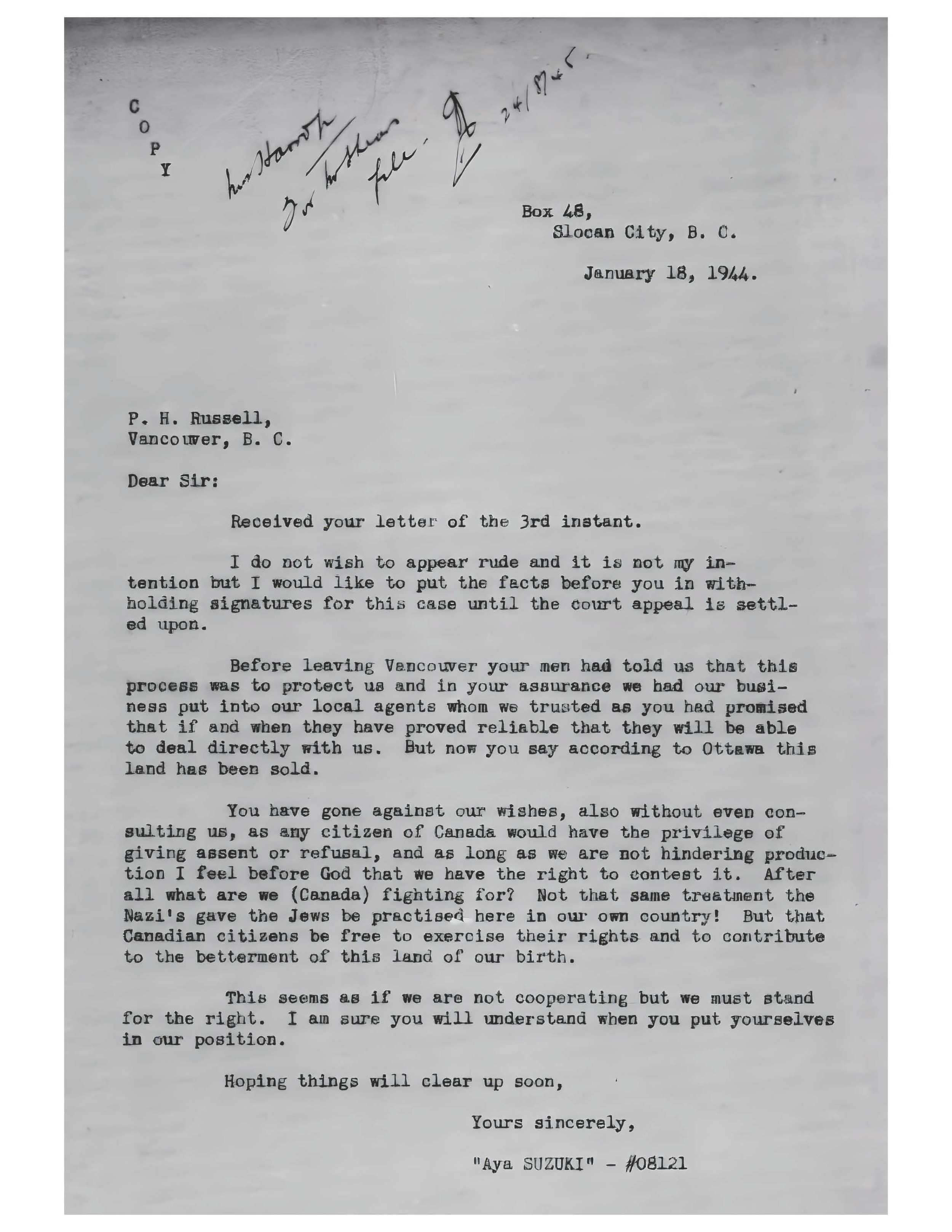
Masagoro worked for Mayfair Produce in Vancouver, BC. The War Measures Act of 1914 cost him his job and loss of property. He also had to sign a government form, under duress, consenting to the sale of his assets and seizure of monetary savings to pay for their internment.
Living conditions in the East-Lillooet internment camp were harsh. The shacks were uninsulated, freezing cold in the winter and broiling hot in the summer. Kerosene lamps provided light and wood stoves were used for warmth and cooking. Drinking water was trucked in.
‘Internee’ Sadajiro ASARI found and repaired a pump for an old wooden irrigation flume to carry muddy water up from the Fraser River to wooden storage tanks. The water was then carried in gallon cans to each household where it was filtered through gravel, sand and charcoal before it could be used.
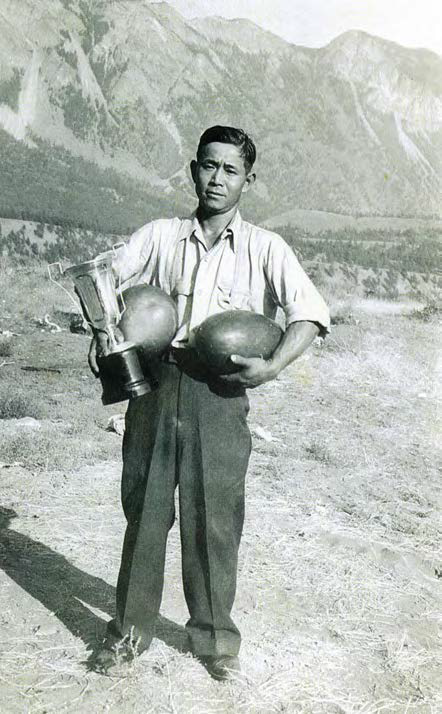
‘Internee’ Tokutaro TSUYUKI, John KATO’s granduncle, recognized Lillooet's climate to be ideal for tomatoes and organized an agricultural cooperative enterprise that allowed the internees to make a living and survive. To this day, the fields these internees pioneered are famous for their superior sun-ripened tomatoes.
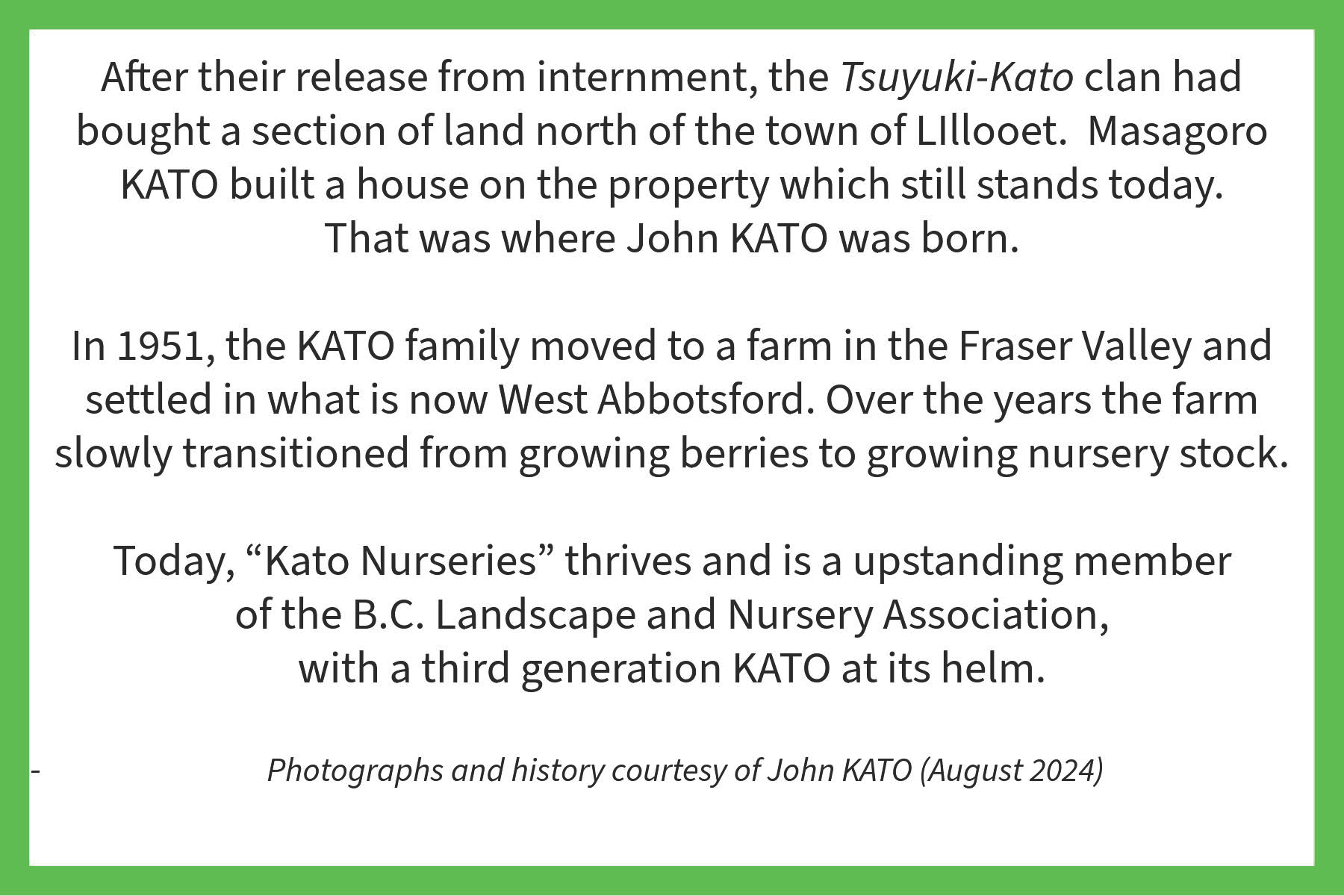
John was born after his family and the other internees were released in 1949.