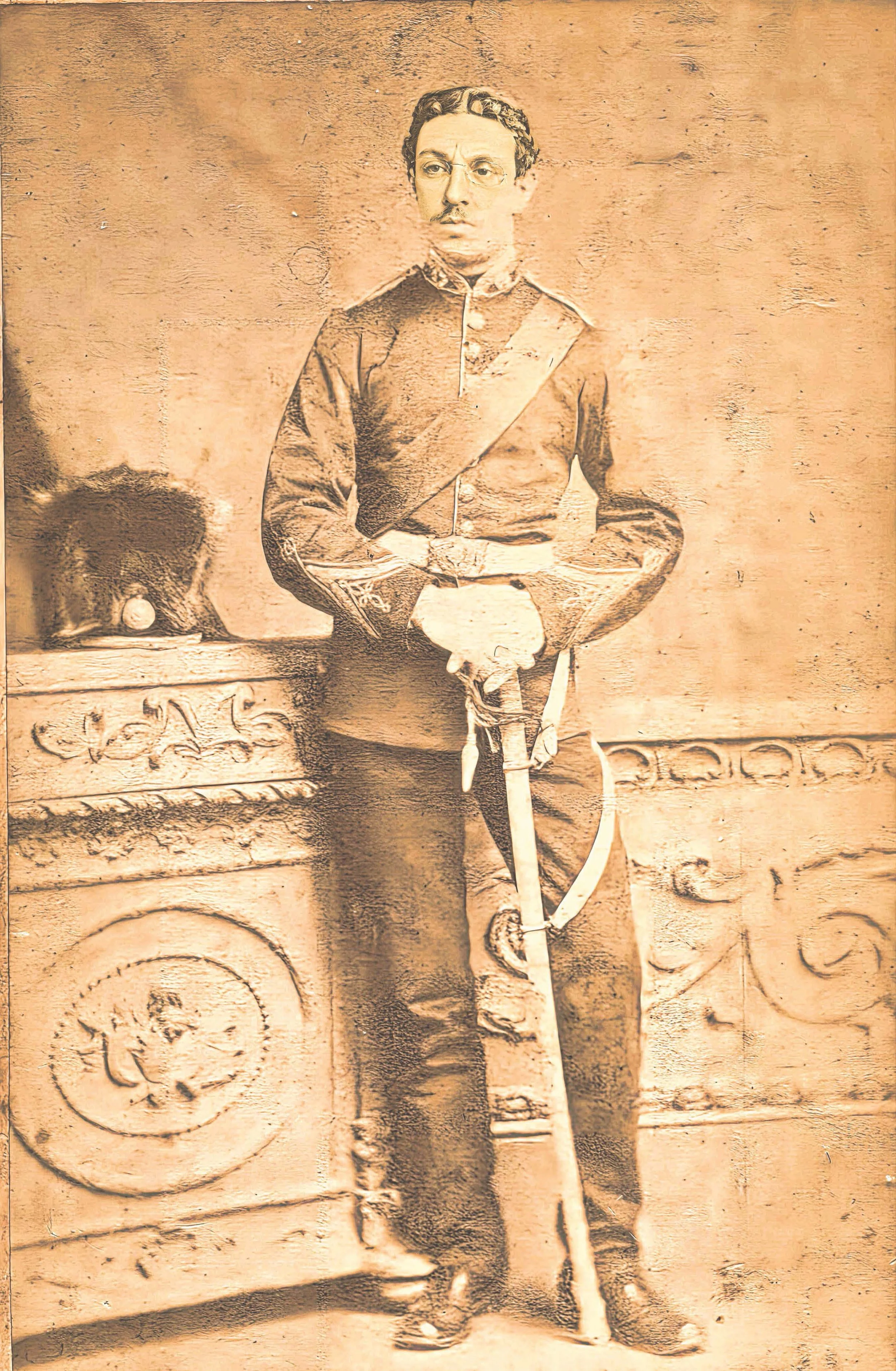
Captain Edward ELLIOTT
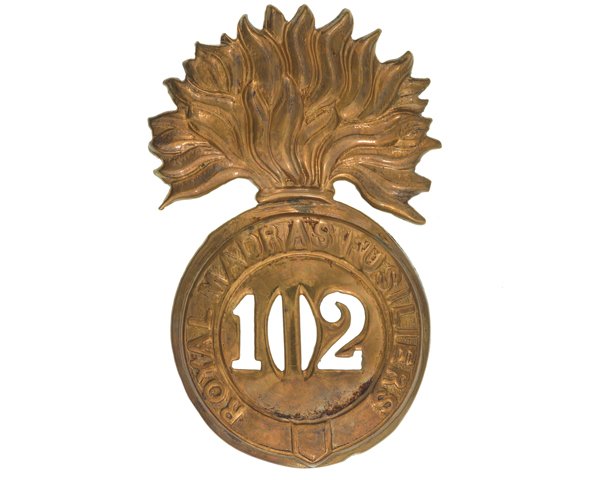
102nd Regiment of Foot (Royal Madras Fusiliers)
British Indian Army

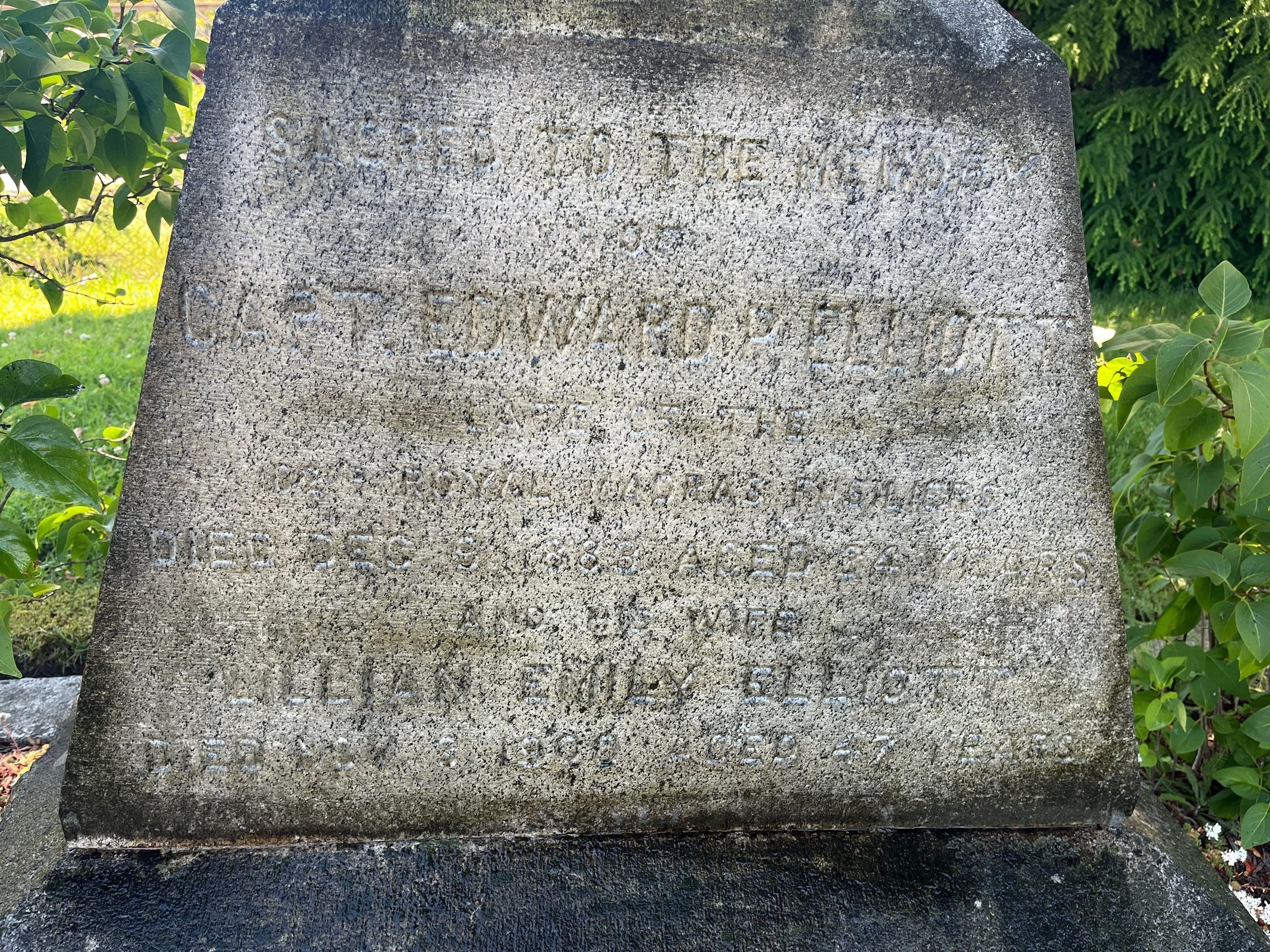
Edward Pilkington ELLIOTT was born in about 1848, in Kinsdale, Ireland. He is the great great-grandfather of Alexander ELLIOTT (Matsqui Unit #315 member).
In 1868, gentleman cadet ELLIOTT, graduated from the Royal Military College Sandhurst and promoted to Ensign with the 102nd Regiment of Foot (102nd).
In 1869, the 102nd was garrisoned on the Isle of Wight, UK.
In 1871, Ensign ELLIOTT was promoted to Lieutenant and appointed as Acting Assistant Commissary.
In 1872, Lieutenant ELLIOTT, was appointed Commissary of the 102nd. In the British Indian Army, a "Commissary" was an officer responsible for procuring and managing supplies for the troops. In today’s modern military, this position is similar to a logistics officer.
In 1875, the 102nd was stationed on Gibraltar and Ceylon (now Sri Lanka).
In 1880, ELLIOTT was appointed Deputy Assistant Commissaries-General, at Colchester Garrison, England.
In 1881, the 102nd merged with the 103rd Regiment of Foot.
On January 2, 1882, Captain ELLIOTT joined the Freemasons in Colchester, England. Soon after he left England for San Franciso, California, then British Columbia.
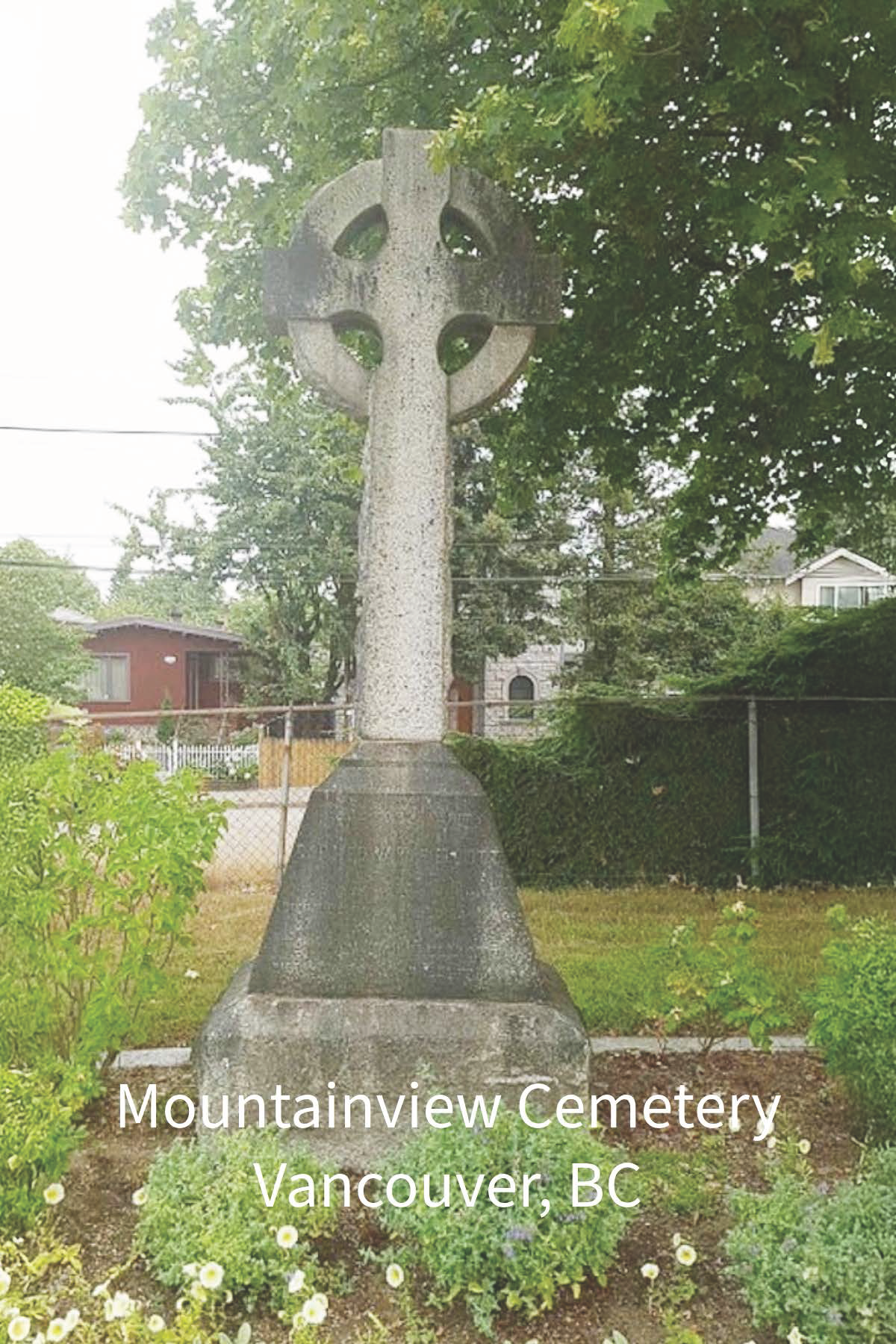
Edward ELLIOTT died on December 9, 1883, and is believed to have been the first Freemason buried in the Masonic section at the Mountain View Cemetery in Vancouver, BC.
In 1901, his remains were reinterred to an ELLIOTT family plot at Mountain View Cemetery to be buried with his wife whose remains were brought from San Francisco to Vancouver.